
A Data-Driven Inquiry into Non-Human Intelligence: The Investigating NHI Series
To the point
A data-driven, interdisciplinary effort led by Julia Mossbridge and supported by the Human Institute and UAP Med seeks to turn potential contact with non-human intelligence into an evidence-based field that blends phenomenology, neuroscience, and ethics to map experiences like telepathy and presentiment and guide responsible, collaborative discovery.

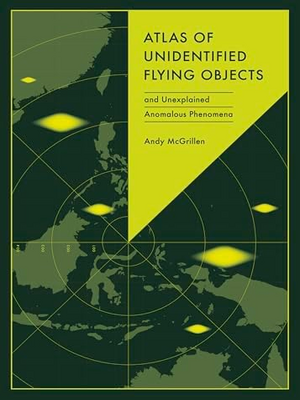


A dynamic shift is underway in the UFO/UAP discourse, with a concerted push to establish a coherent, data-driven approach to what may be a new science of contact, guided by the Human Institute and UAP Med through an evidence-based foundation that separates data from belief. The Investigating NHI series functions as a public, multi-disciplinary forum that brings together scientists, philosophers, and field investigators to develop scientific and ethical ground rules for exploring non-human intelligence, refine methods, and generate data that could lead to breakthroughs without preordained conclusions. Central to the dialogue is Julia Mossbridge, a cognitive neuroscientist whose work links consciousness studies to NHI, examining presentiment and other phenomenology-informed pathways to understand potential non-human minds and their communication. The discussions highlight a non-local view of reality and the idea of an informational substrate that could allow interactions across space and time, with physiological correlates like skin conductance and heart-rate changes serving as potential indicators in presentiment-type experiments. A recurring theme is the physics of love and unconditional love as a grounding force that can bolster cognitive-infrastructural resilience while remaining open to unfamiliar intelligences. The conversations also acknowledge academic pushback and stigma, arguing for reframing questions and prioritizing field formation, collaboration across disciplines, and careful attention to ethics and governance as essential to progress. Experiences described range from telepathic exchanges to precognition and presentiment, underscoring the importance of careful phenomenology and mental-health support to help individuals process encounters. Practical approaches proposed include experience sampling and the integration of subjective reports with neurophysiological monitoring (EEG, autonomic signals) to map the experiential landscape of UAP exposures and potential NHI contact. Ultimately, the aim is to elevate discourse toward responsible, inclusive discovery, balancing skepticism with openness while empowering people to navigate this threshold through self-transcendence, grounded boundaries, and collaborative inquiry.
Source: youtube.com