
Between Curiosity and Disclosure: The Institutional Challenge of Unidentified Aerial Phenomena
To the point
Interest in unidentified aerial phenomena remains in defense and intelligence circles, backed by decades of sightings and documents, yet bureaucratic incentives, fragmented ownership, and cautious science keep many questions unresolved and hinder clear extraterrestrial conclusions.

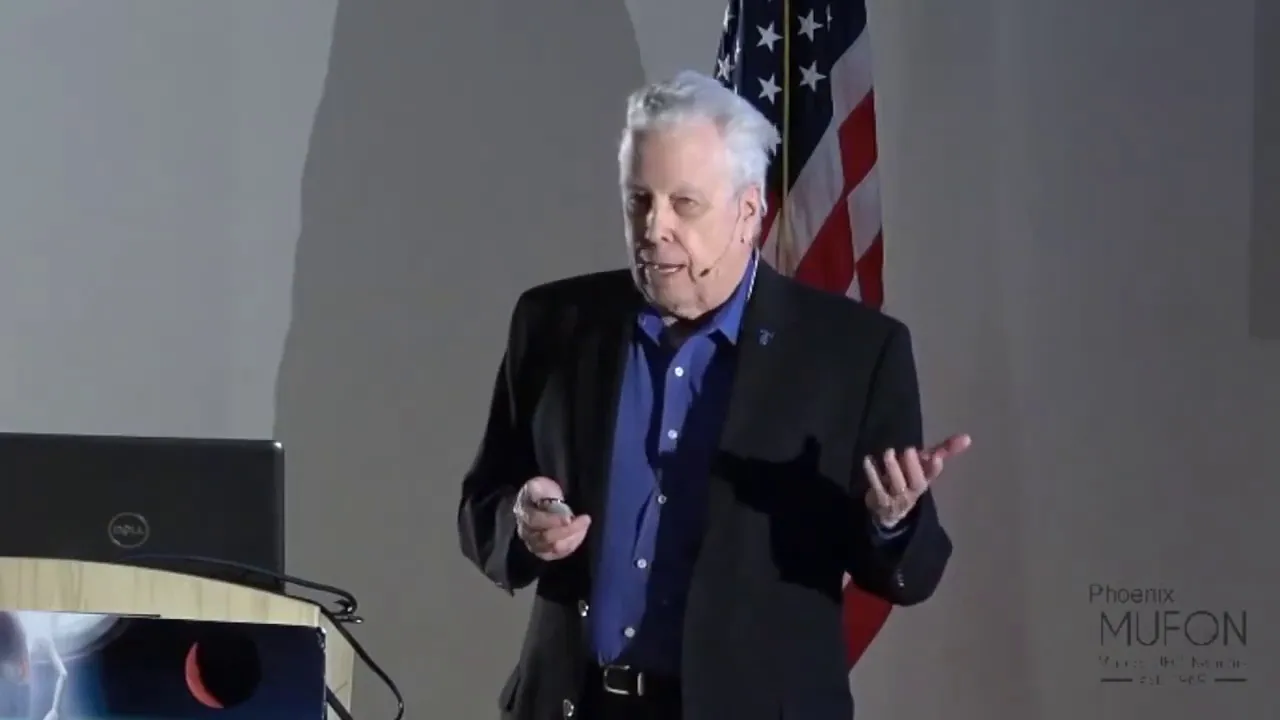
Interest in unidentified aerial phenomena has persisted inside the defense and intelligence establishment for decades, even as public narratives often frame it as denial. A throughline runs from 1947 Roswell-era memos to ongoing disclosures that acknowledge real phenomena, while still leaving bodies and definitive explanations unsettled; governments worldwide have published documents reflecting experience with the unknown. Yet the system’s incentives—retaining power, budgets, and avoiding embarrassment—mean many observers treat unexplained sightings as low priority and are reluctant to bring them up the chain. An informal research culture emerged, exemplified by the Advanced Theoretical Physics Working Group, which sought to assemble relevant material under FOIA, only to discover unclear ownership and a sense that the topic was not always within any single institution’s bailiwick. The cases cited span radar-confirmed encounters (RB-47), long-duration events (the Alaska and Gulf Breeze episodes, the Cash-Landrum incident), and high-profile modern episodes like the Nimitz/Tic Tac encounter, hinting at a spectrum of phenomena that defy easy classification. There is a stark contrast between personal curiosity and institutional action: NASA and some scientific bodies have been openly hostile or risk-averse toward open UFO study, while budgetary and political dynamics often stall thorough inquiry. Even when official studies acknowledge puzzling data, they stop short of declaring ET or unleashing transformative disclosure, leaving the questions unresolved and the implications debated. In the end, the speaker argues that ufology is as complex as major scientific frontiers, with the public perception, institutional capabilities, and the universe’s true nature remaining far apart and far from solved.
Source: youtube.com