
K2-18b: Biosignature Debate and a Null Technosignature Search in Hycean Worlds
To the point
K2-18b is a Hycean-like sub-Neptune with oceans orbiting a cool red dwarf, which drew interest after a Cambridge team led by Nikku Madhusudhan suggested a DMS biosignature but was later questioned, and a coordinated technosignature search by Ciardi Tremblay and Gabriella Digennaro with the VLA and MeerKAT found no convincing signals, setting upper limits and helping refine methods for future SKA-scale surveys.

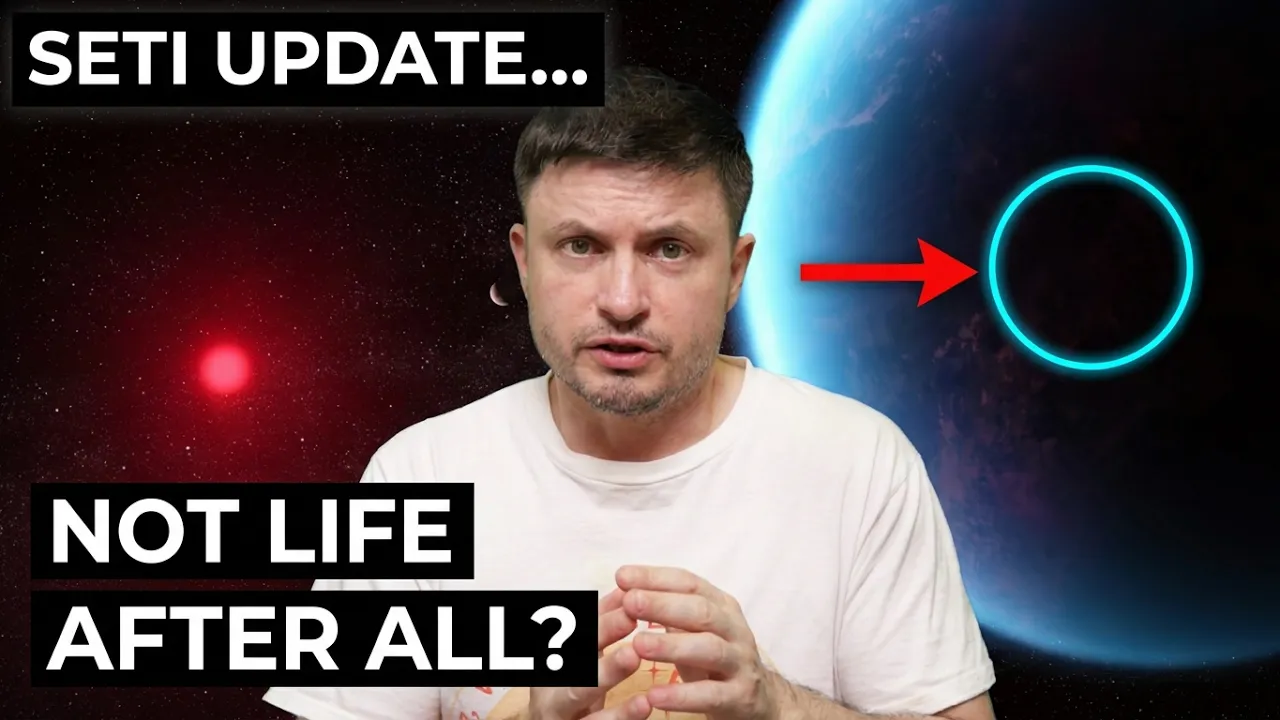
K2-18b is a sub-Neptune orbiting a cool red dwarf in what may be the habitable zone, making it a prime example of the proposed Hycean worlds with hydrogen-rich atmospheres and deep global oceans. The planet gained headlines when a Cambridge team led by Nikku Madhusudhan suggested dimethyl sulfide (DMS) in its atmosphere could be a biosignature pointing to life. Subsequent observations with JWST found methane and carbon dioxide but a lack of ammonia, and later work showed that DMS could form abiotically in various space environments, casting doubt on it as a definitive sign of life. SETI researchers, including Ciardi Tremblay, along with Gabriella Digennaro’s team, pushed to test the idea that K2-18b might host extraterrestrial communications. They performed a coordinated technosignature search with the Very Large Array and MeerKAT across 544 MHz to 10 GHz, monitoring the full orbit for narrow-band signals that would stand out from natural sources. A rigorous five-filter pipeline—RFImasking, Doppler drift, signal-to-noise thresholds, multi-beam filtering, and transit filtering—was used to weed out terrestrial interference and artifacts. The result was a null: no convincing alien signal survived all filters, allowing only upper limits on possible transmitter power while validating the search approach for future surveys. This null result is scientifically valuable, offering statistical insight into the prevalence of life and refining methods for scanning thousands of worlds with next-generation observatories like the Square Kilometre Array. Despite the lack of life-signature evidence, K2-18b remains a compelling target for studying potential oceans on Hycean-like worlds and for continuing to listen for signs of life in the cosmos.
Source: youtube.com