
Missing Researchers in Nuclear Propulsion and Classified Programs: Motives, Evidence, and Security Concerns
To the point
Several researchers tied to nuclear propulsion and classified defense programs—including Joshua Leblanc, Amy Escridge, Thomas Baron, Neil McCasland, Mark McCandish, and Monica Raza—have vanished or died under mysterious circumstances, underscoring a pattern of secrecy, risk, and unresolved questions about motive and safety.
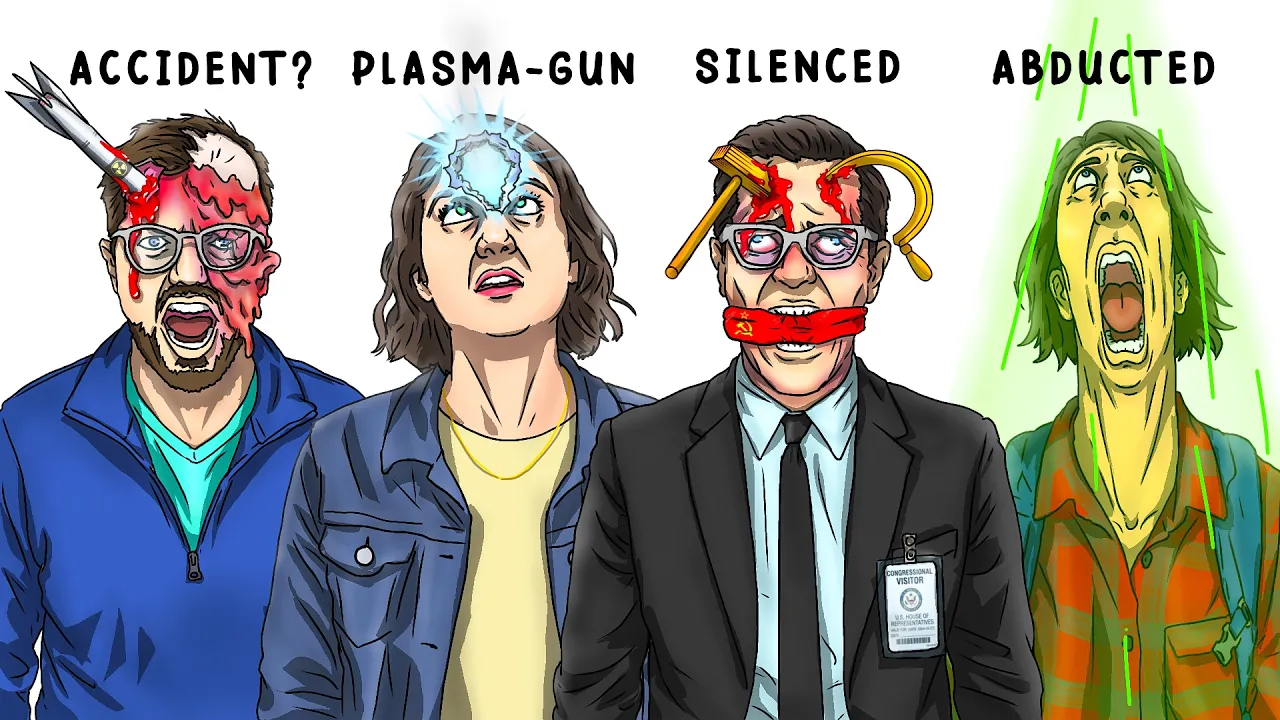
Across decades, disappearances and deaths among researchers linked to nuclear propulsion and classified defense programs have sparked questions about motive, evidence, and security. Joshua Leblanc, born 1996 in New Iberia, joined NASA Marshall Space Flight Center in 2019, rose to lead Draco, a $499 million project to test a nuclear-powered rocket in orbit, and after Draco was cancelled in late June 2025, about three to four weeks later on July 22, 2025, his family reported him missing at 4:32 a.m.; his Tesla sat at Huntsville International Airport for hours before a long drive into rural Alabama ended in a fatal crash, with remains identified by DNA and the ruling listed as a traffic fatality, though his family suspects abduction and the FBI is reviewing scores of similar scientist deaths. Amy Escridge, born 1987, co-founded the Institute for Exotic Science and warned about anti-gravity research disappearing from public view; in 2022, shortly before she died of a gunshot in Huntsville, she texted that she had not killed herself and feared publishing sensitive findings, and no autopsy was performed nor investigation opened, while a retired UK intelligence officer released photos she had sent. Thomas Baron, born circa 1938, worked as a meticulous Apollo-era quality-control inspector who documented dangerous practices and testified before Congress; in January 1967 he was fired, and 22 days later the Apollo 1 fire killed astronauts Gus Gryom, Ed White, and Roger Chaffy on a Cape Kennedy rehearsal, with Baron's 275-page report never found, fueling enduring questions about possible foul play. Neil McCasland, 68 at disappearance, a longtime Wright Patterson Laboratory commander connected to Project Blue Book and Roswell lore, vanished in 2026 after years tied to the facility; his wife said he planned not to be found, and alongside other defense-connected disappearances in Albuquerque, his belongings were left behind with no public explanation. Mark McCandish, born 1953, a technical illustrator who traced defense drawings and argued that certain American hardware involved “alien reproduction vehicles” powered by a ring of high-voltage components, published his conclusions publicly in 2021 and was found dead by suicide in Reading, California, leaving no note amid speculation that his testimony might have exposed restricted technology. Monica Raza, 60, a Mandeloy co-inventor at JPL, disappeared in 2025 while hiking near Angeles National Forest; a red beanie was found about 25 hours later far below the trail with no other trace, JPL has remained silent, and the FBI’s response has drawn skepticism from her family. Across these cases, officials note the unsettling overlap of high-stakes science, secrecy, and personal risk, with uncertainties persisting about whether these are accidents, suicides under pressure, or deliberate silencing, and with missing reports and withheld evidence leaving investigators and families with few answers. Taken together, they paint a portrait of a culture where bold ideas collide with security concerns, prompting a broader conversation about transparency and protection for researchers who push into dangerous or controversial territory.
Source: youtube.com