
Whistleblowers, Researchers, and Lawmakers Press for Stronger Protections and Transparent Oversight of UAP Disclosures
To the point
Whistleblowers, researchers, and lawmakers are calling for stronger protections for those who come forward and for independent oversight of UAP disclosures to ensure open, accountable sharing with Congress and the public and to shield insiders from retaliation, as George Knapp and Dylan Borland highlight the real risks they face.


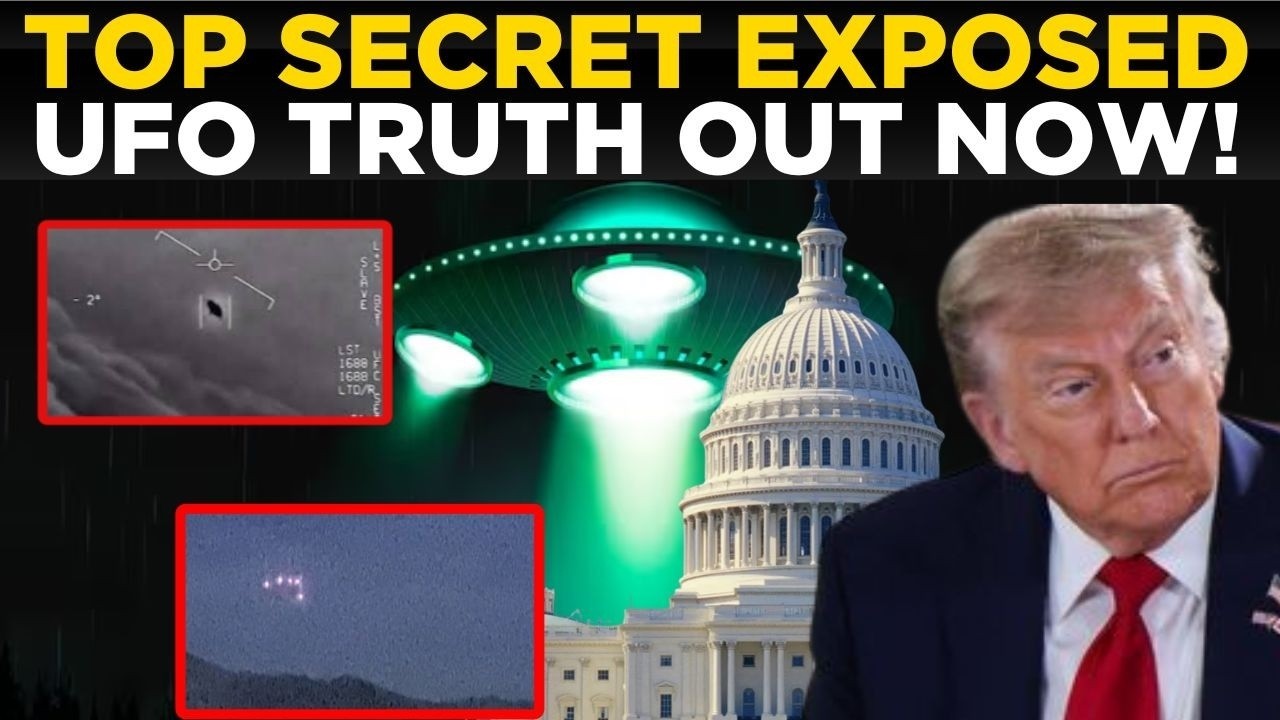
A diverse group of whistleblowers, researchers, and lawmakers gathered to press for stronger protections and transparent oversight of UAP-related disclosures, arguing that whistleblowers have long served as a vital check on government secrecy across national security, safety, science, and public policy. They emphasized that robust protections and trusted, independent watchdogs—such as inspectors general, the Office of Special Counsel, and the Merit Systems Protection Board—are essential so disclosures can reach Congress and the public without risking retaliation. The discussion underscored the need for greater government transparency to counter conspiracy theories and to ensure accountability, noting how five-minute hearing slots often fail to capture the full scope of these experiences. Witnesses recounted firsthand encounters with unidentified phenomena, including a 2012 equilateral-triangle craft seen near Langley that produced intense sensory effects, radar-confirmed UAP events aboard ships, and a long-running pattern in which observers report a light that summons a responsive, often silent phenomenon, all of which they say demand thorough, independent review. They also described retaliation and career damage after coming forward—ranging from investigations and blacklisting to efforts to suppress or destroy records, such as the Air Force’s routine destruction of police records on a multi-year schedule—creating real barriers to follow-up and accountability. The testimony pointed to private contractors and secret programs as repositories or shrouded executors of sensitive materials, naming Lockheed Martin and BAASS among others, and invoking historical programs like AASAP and the larger Russia- and USSR-era efforts (Thread 3) that allegedly sought to study or reverse-engineer UFO phenomena, including dramatic claims about Soviet missile incidents and attempted launches. Attendees raised concerns about classification practices and overclassification, SCIF-based access, and opaque program names that hamper congressional oversight and fuel skepticism about whether disclosure is being properly balanced with legitimate security concerns. They urged Congress to pass stronger whistleblower protections—such as the UAP Disclosure Act of 2025—and to create external or independent avenues to challenge retaliation, noting that current processes often funnel complaints back to the same agencies being accused of wrongdoing, which undermines public trust. The speakers repeatedly stressed that while uncertainty remains about the true nature of UAPs, the public has a right to know what is being studied and why, and that truth-seeking must be protected from political convenience, with accountability extending to those who retaliate against those who speak out. Names such as George Knapp and Dylan Borland were invoked to illustrate the persistence and risks faced by insiders, reinforcing the call for a principled, bipartisan commitment to whistleblowers and to governance that prioritizes transparency, safety, and the public’s right to know.
Source: youtube.com