UAP Disclosure Debate: Bipartisan Pressure, Declassification, and the Pursuit of Transparency

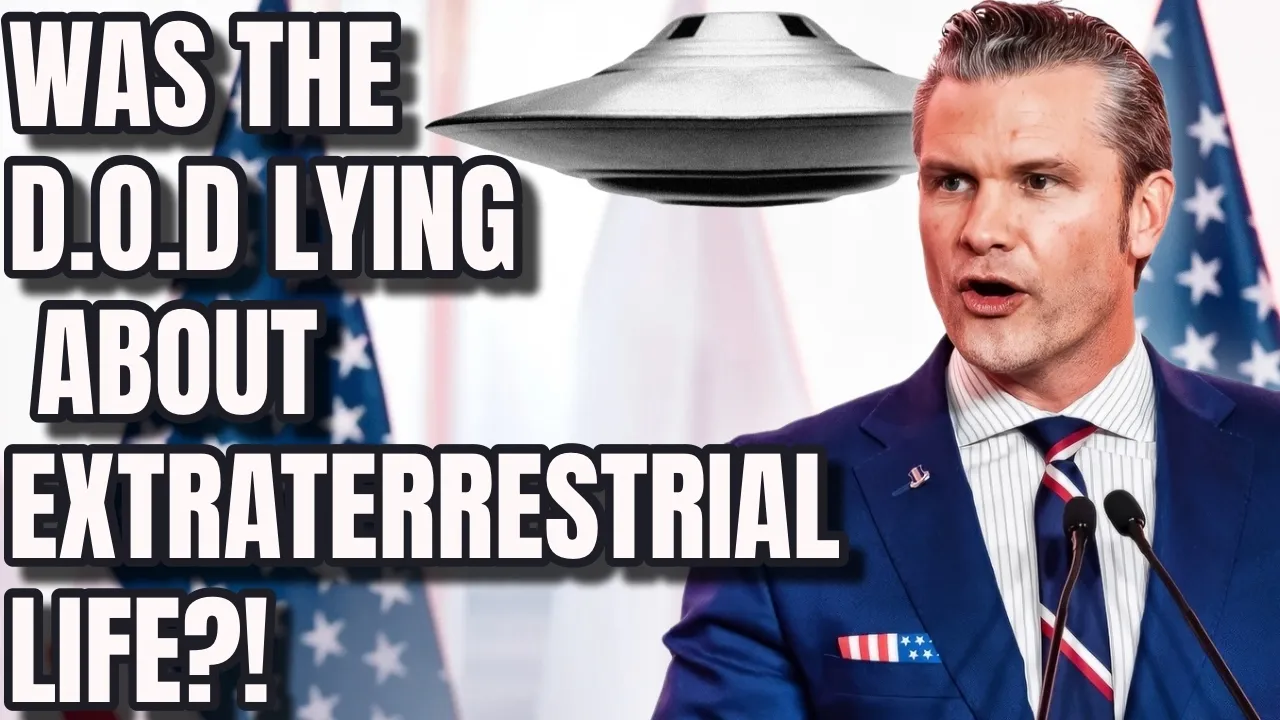
- After Trump signaled that UFO/UAP files would be released, attention and mainstream coverage have increased, with more support from the UAP task force and allied advocates. - Skepticism remains about motives and exactly what will be disclosed; there are already claims that some materials have been dumped or quietly suppressed in anticipation of disclosure. - There is concern that gatekeepers may still be trying to hide information, even as inquiries intensify; a noted quote emphasizes that long-time forecasters may already know how to keep things quiet. - Public discussion includes questions about whether DoD and other agencies have lied in the past, and whether forthcoming disclosures will reveal past deceptions or merely partial information. - Two lawmakers from opposite sides of the aisle, Luna and Moskowitz, push for transparency. Luna says she will work with the White House, FBI, and the Department of Defense to press for declassification of more than 20 documents and related footage previously denied to Congress, and she notes briefing information from the FBI that could be shared once declassification orders are followed. She argues that declassified material could help explain or debunk drone or foreign-tech explanations and that several task-force members have seen the briefing. - There is discussion of the potential impact of the UAP Disclosure Act (UAPDA): passage could force broader release of materials, but some groups fear losing control over proprietary assets (e.g., Skinwalker Ranch, with a reference to Skywalker Ranch), leading to resistance. - The stance remains a mix of cautious optimism and skepticism: there is hope that disclosures will be substantial, but concern that outcomes may resemble past inconclusive releases (e.g., JFK-era disclosures) rather than definitive proof. - The debate is growing louder, with interest extending beyond the U.S. and international reactions possible if declassification occurs; overall, there is a call for more transparency and evidence, while acknowledgments of uncertainties and potential political complications persist.
Source: youtu.be