
Earth Encounters: Decades of Sightings, Evidence, and the Secrecy Debate on Extraterrestrial Visitations
To the point
Over decades, a body of sighting reports, photos, radar data, and testimony from pilots, astronauts, and abductees is presented as evidence that intelligent extraterrestrial craft have visited Earth, with government secrecy and controversial investigations shaping public understanding and ongoing debate about the reality and implications of these encounters.

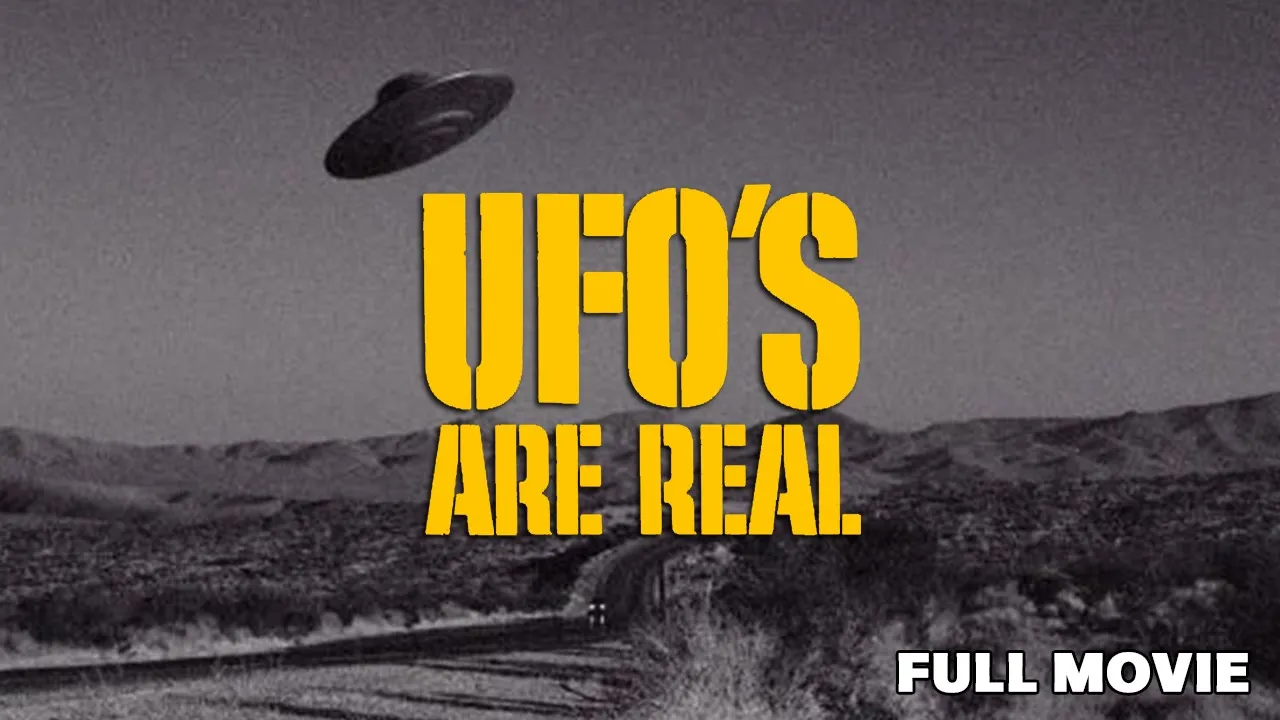
A consistent thread runs through decades of sightings, testimonies, and official hints: Earth has been visited by intelligent, extraterrestrial craft, and the evidence is not simply anecdotal. Beginning in the early 1960s, a secret gathering of government-sponsored astronomers suggested there could be tens of millions of intelligent civilizations in our galaxy, a realization that underpins why some observers believe Earth has repeatedly drawn advanced spacecraft to its skies. Across the years, a growing corpus of photographs, film, radar observations, and firsthand testimony has reinforced the impression that at least some UFOs are real, technologically advanced vehicles of non terrestrial origin. Compelling visual evidence includes a Catalina Island film showing a circular UFO about 30 feet across that appeared to hover before moving, with photogrammetric analysis indicating speeds well beyond conventional aircraft and no visible means of propulsion. Other images capture disc- or Saturn-shaped objects, some photographed from long distances yet still yielding measurable dimensions and consistent descriptions. In several cases, frames and sequences reveal shape-shifting appearances, rapid maneuvers, and speeds unattainable by known technology of the era. The work of independent analysts and engineers, often using precise measurements—such as distances to telephone poles or soil samples around landing sites—has repeatedly supported the conclusion that these objects are not optical illusions or hoaxes. The testimony of trained pilots and astronauts adds weight to the case. A Gemini-era command pilot reported close-range encounters, and an experienced fighter pilot described following unidentified objects in the air, often at altitudes beyond the reach of conventional craft. Retired air force officers, including one who piloted B-29 reconnaissance missions in Arctic spaces, described encounters that stretched the limits of known engineering, sometimes noting an absence of propulsion, stabilizers, or landing gear in the observed craft. In some accounts, such as a near-collision episode over Ohio, the UFO came within moments of collision, then demonstrated flight capabilities beyond anything Earthly at the time. Across these accounts, many witnesses stressed the object’s apparent mastery of airspace without a conventional base of operations visible to observers on the ground. Public perception reflected growing acceptance: a late-1970s poll found a substantial majority of Americans believed UFOs were real, and millions claimed personal sightings. This aligns with a stream of reports from diverse observers—air crews, police, industrial workers, and ordinary citizens—who recount encounters with metallic or reflective disks, domed tops, and sometimes larger, more complex craft. Central to the narrative is the theme that government knowledge and secrecy have historically shaped public understanding. Classified documents and later public releases reveal tension between official statements and what some investigators believe to be a broader, more candid picture of extraterrestrial visitation. A recurring motif is the claim that certain sightings and their physical remnants were either downplayed or concealed, being reframed as weather balloons, secret weapons tests, or routine air activity. The Roswell episode looms large in this history. Reports from Major Jesse Marcel describe wreckage with materials that bent and weighed little, featuring symbols and a construction beyond ordinary manufacturing. The ensuing cover story framed the debris as a weather balloon, but a persistent body of witness testimony, archival material, and later inquiries has kept the possibility of a genuine crash a live line of inquiry. FBI files and other government records hint at an extensive, secret interest in recovered discs and their implications, suggesting a political and military calculus that extends well beyond public UFO discourse. Alongside crash-and-recover cases, researchers highlight a substantial network of landing-site traces. Soil analyses from numerous sites reveal dehydrated, water-absorbent-resistant soil, imprints consistent with heavy landing gear, and environmental effects on witnesses. In many scenes, multiple observers describe short- and long-term physical and psychological aftereffects, from dry throat and skin to emotional upheaval. This pattern underpins arguments that the phenomena are not merely visual but can interact with the environment and people in tangible ways. A notable cluster of abductee cases broadens the scope beyond observation to direct human contact. The Travis Walton case in Arizona and the Betty and Barney Hill case in New Hampshire became focal points for hypnosis-based recalls of encounters, examinations, and messaging. Walton’s group experiences a long disappearance followed by a dramatic return, accompanied by suggestive memories of medical procedures and a distinct sense of altered time. Betty Hill’s recollections, later explored through hypnosis and cross-referenced with a star-map analysis by Marjorie Fish, connected the couple’s memories to a specific region of nearby stars, including a potential home system around Zeta Reticuli. The Hill star map, refined with newer astronomical data, yielded a striking, highly constrained match to a nearby binary star pair—an association that proponents say lends credibility to the abductee testimony and to the broader thesis of extraterrestrial visitation. The Hill case also sparked a broader discussion about the sources and interpretation of such experiences. Independent researchers and psychiatrists who study abduction phenomena emphasize the diversity of beings described, the range of motives attributed to them, and the emotional and spiritual dimensions that often accompany memories recovered under hypnosis. Some observers, such as involved scientists and clinicians, describe abductees as sane and courageous individuals who report genuine experiences and profound shifts in personal perspective—sometimes a catalyst for shifting how they view humanity’s place in the cosmos. Against this backdrop, researchers point to the paradoxical relationship between human belief, government secrecy, and the pace of scientific discovery. The so-called cosmic Watergate term captures a view that powerful institutions have suppressed or manipulated information about UFOs, even as evidence persists in film, photographs, and testimony. The Condon Report and Project Blue Book are cited by proponents as examples of official attempts to frame UFOs in a way that minimizes their significance, whereas others argue that the reality of extraterrestrial craft rests on a much broader base of data, including radar observations, physical traces, and firsthand accounts from credible witnesses. The narrative also looks outward and forward, connecting the ongoing mystery to human technological ambition. The idea that the first civilization capable of duplicating saucer-like flight could transform planetary balance underscores the strategic stakes at play in the study of UFOs. Advocates point to the rapid acceleration of space technology, the feasibility of nuclear-powered propulsion, and the implications of relativistic travel for interstellar journeys. They weave a hopeful thread: a future in which humanity becomes a spacefaring civilization, guided by curiosity and the careful stewardship of powerful discoveries, not by fear or secrecy. In sum, the material presents a long, layered case for extraterrestrial visitation, anchored by a spectrum of sightings, photographs, and testimonies, reinforced by a set of controversial but persistent official documents and abductee narratives. It emphasizes that the evidence, taken together, goes beyond isolated incidents and points to a broader, ongoing interaction between Earth and intelligent beings from elsewhere, inviting open discussion, careful inquiry, and ongoing scrutiny rather than dismissal.
Source: youtube.com