
Pentagon Foia Refusals, Uap Financial Risk And What Comes Next

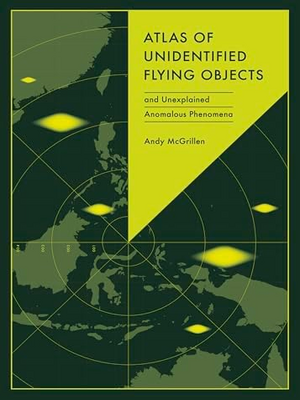
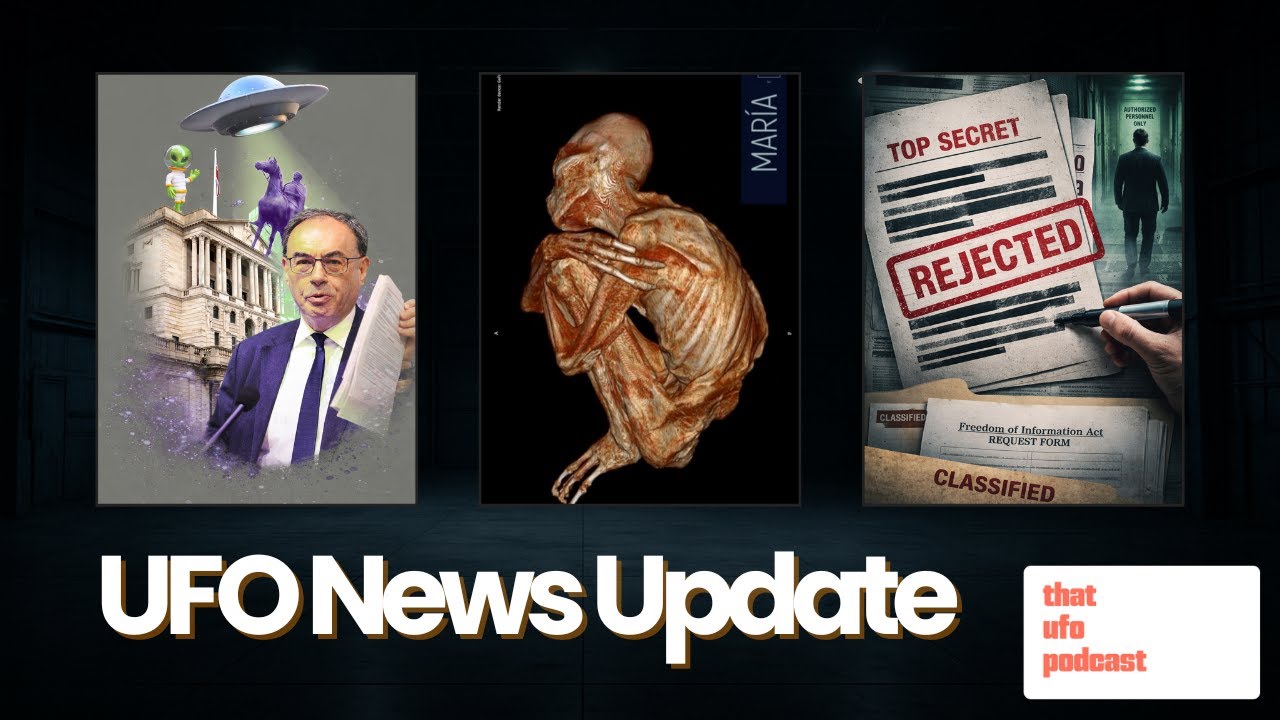
There are several noteworthy developments and ongoing discussions in the UFO field as of early 2026. Key topics include an interview with James Fowler, formerly of Skywatcher, who described incidents of undetected aerial objects that were only noticed retrospectively via radar data, emphasizing the difficulty of detecting such phenomena without specialized sensor configurations. The repeatability of object appearances in response to specific electromagnetic signals suggests non-random behavior, although it does not conclusively prove intelligence. Fowler’s accounts also include reported system shutdowns triggered by these objects, highlighting challenges in current detection capabilities and raising questions about the adequacy of standard monitoring systems. Upcoming events like the UAP Tracking and Detection Summit, featuring experts from NASA and other fields, aim to address sensor gaps and detection methodologies, with opportunities for virtual attendance offered at a discount. Meanwhile, John Greenwald's Freedom of Information Act work reveals Pentagon reluctance to investigate or confirm alleged secret programs such as Immaculate Constellation, reflecting a pattern of tightly controlled transparency. This is further illustrated by closed-door briefings limited to select media outlets, showcasing managed disclosure that restricts wider journalistic scrutiny and public insight. In the realm of anomaly investigations, the Nazca mummies topic has resurfaced with recent claims that these remains are manipulated human bodies rather than alien or unknown beings. This contentious issue remains unresolved, with ongoing studies anticipated from academic institutions like the University of Eeka. The involvement of certain figures previously linked to hoaxes has cast some doubt on research credibility, contributing to the complexity of interpretations. Financial sectors are now contemplating the potential market impacts of official non-human intelligence disclosure. Former Bank of England analyst Helen McCau warns that central banks and regulators must prepare for disruptive scenarios that challenge established cultural and analytical norms. She advocates moving the UFO/UAP topic into mainstream policy discussions to assess risks prudently, irrespective of certainty, noting that financial markets could react severely to such groundbreaking announcements. Scientific advancement continues with China preparing to launch the Zunian space telescope for extensive sky surveys and NASA’s Artemis 2 lunar mission marking a historic return of crewed lunar exploration after over 50 years. These initiatives represent increasing global efforts to explore space with enhanced technologies. Listener inquiries reflect interest in diverse aspects of the phenomenon, such as the unique characteristics of the Virginia case’s non-human entity, the potential influence of local culture on its perception, and parallels to cinematic portrayals like Spielberg’s ET, which some speculate might indicate insider knowledge. Additionally, there is encouraging news regarding Beatrice Varela’s ongoing scientific work on transient objects, with independent analysts replicating key results that link transient anomalies to nuclear testing, underscoring good scientific practice through transparency and verification. There is a noticeable societal shift wherein multiple sectors—finance, defense, science, religion, media, and politics—are cautiously opening to dialogue about UFOs/UAPs without outright conclusions but with an increased willingness to consider uncertainty and low-probability high-impact scenarios. This gradual acceptance represents a significant change from past stigma and ridicule, granting permission to discuss, explore, and plan strategically for potential disclosure impacts. The driving forces behind this shift might include evolving public curiosity, social media influence, the phenomenon’s expansion in societal relevance, or preparatory measures for potential major announcements. The podcast host, Andy, also announces a strong lineup of upcoming guests, including experts like Richard Dolan, Joe McMoneagle, and Bryce Zable, promising further in-depth discussions on related topics. Additionally, Andy encourages engagement through listener questions and highlights his book, Atlas of Unidentified Flying Objects, available for purchase. In sum, this landscape is marked by emerging evidence, institutional caution and control, scientific inquiry, societal shifts in discourse, and preparatory measures across various sectors, all signaling a complex and evolving approach to the UFO/UAP subject with many uncertainties still to be resolved.
Source: youtube.com