
The Age of Disclosure: Ufology, Political Ties, and the Case of a Missing General
To the point
It traces how the push to publicly release UFO files intertwines with politics and celebrity figures, ties a missing Air Force general to leaked emails about a disclosure project, and argues that the saga repeats familiar names and tactics while urging cautious, responsible analysis and concern for the missing man.


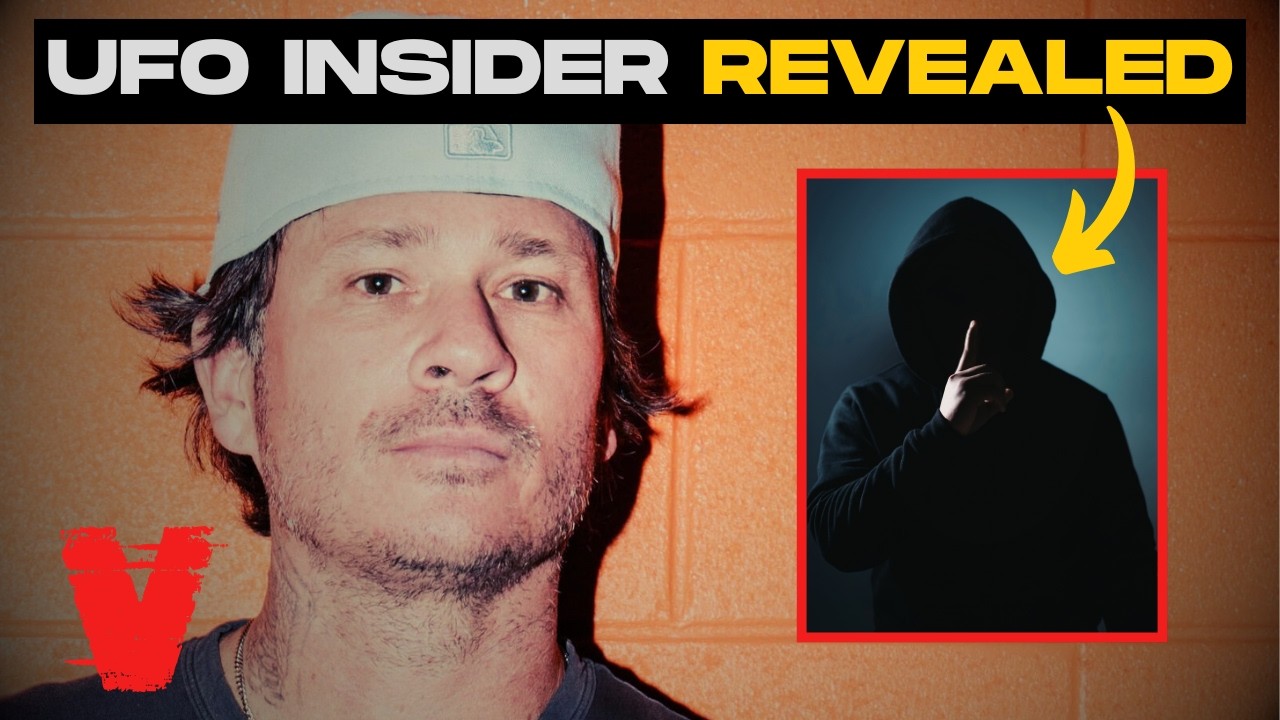
A recent(Vetted) exploration weaves together a long-running current in ufology: a persistent push for public disclosure of UFO files, and the web of prominent figures who have kept that push in the spotlight over the years. The host revisits the idea that, during a presidential race, a key ally publicly signaled that UFO files would be disclosed if given the chance, while stressing that any release must be carefully scrutinized to avoid compromising national security. The thread then knots together a real-world mystery: the sudden disappearance of a retired Air Force general, William Neil McCasslin, in Albuquerque, with law enforcement and federal agents involved and concern for his wellbeing. The timing of that news ties into the broader UFO conversation, prompting questions about whether a larger pattern is at play. Central to the discussion is a retrospective look at To the Stars Academy and its former film trailer, described as emblematic of an “age of disclosure” mindset that the host argues has endured for years. The conversation surveys the people and events linked to that movement—Tom DeLonge, Joe Rogan, Hillary Clinton, and John Podesta—and flags a key piece of connective tissue: a leaked email referencing General McCasslin, and an assertion that McCasslin helped assemble an advisory team for DeLonge’s project. The host suggests, based on nods in Rogan’s interviews and the Wikileaks-disclosed emails, that McCasslin may be the General alluded to in those exchanges, a hypothesis used to thread together DeLonge’s public anecdotes with Podesta’s known involvement in UFO discourse. The broader cast—Podesta’s long political résumé, Hillary Clinton’s open-but-cautious posture on disclosure, and Podesta’s past associations with Clinton-era campaigns—serves to underscore how intertwined public-facing politics and ufology have become. The host notes Clinton’s recent closed-door testimony about Epstein-era files and ties those moments to the ongoing conversation about declassification. There’s a sense that, for many players, the desire to advance openness about unidentified phenomena remains strong, even as the path to genuine disclosure remains uncertain, fragmented, and highly contingent on political and security concerns. Alongside these threads runs a recurring theme: the recurrence of the same names, promises, and tactics, with critics and supporters alike weighing whether this time will finally deliver substantive disclosure or simply recycle the same narrative cycle. The missing general and the email-linked claims are treated as provocative coincidences that merit attention but not definitive conclusions. In closing, the host invites readers to share theories and cautions against overreaching conclusions, while expressing sincere concern for McCasslin’s fate and urging responsible consideration of the accumulating clues within a complex, unresolved story.
Source: youtube.com