
The Leach Lights: 1951 Sightings, Project Blue Book, and the Evolution of UFO Credibility
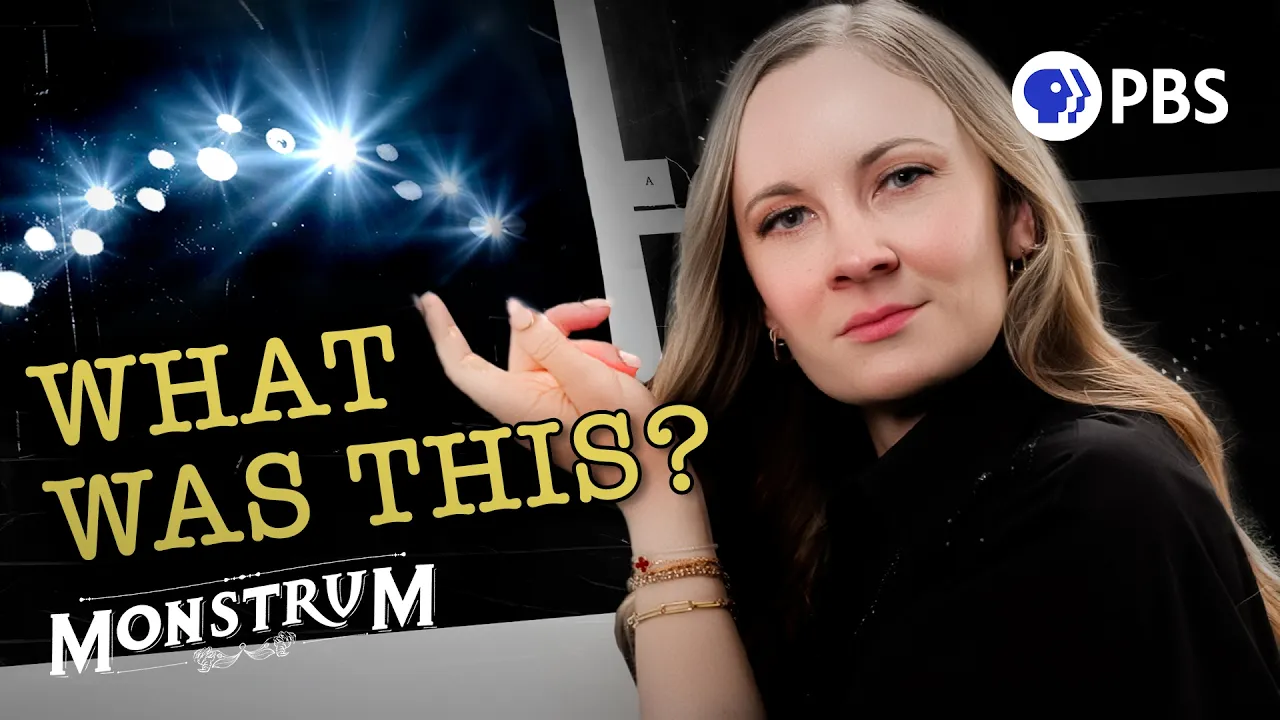
In August 1951, a string of mysterious bluish-green lights over Lach (Leach), Texas, and nearby areas drew unprecedented attention. College freshman Carl Hart Jr. photographed the light formations, producing images that became enduring evidence of a phenomenon now known as the Leach Lights. Dozens of witnesses, including college professors, astronomers, and trained sky observers, reported coordinated patterns of lights moving rapidly with little or no sound, and some sightings appeared on radar. Initial reports began in Albuquerque, New Mexico, and spread after the Leach sightings; the imagery and eyewitness accounts established a lore that helped usher in a new era of UFO speculation. The affair occurred in a climate of Cold War anxiety, prompting serious government scrutiny. The Air Force established Project Blue Book in 1952 to systematically document unidentified flying objects, classify them as known or unidentified, and communicate explanations to the public. While some officials worried about national security and the potential for Soviet disinformation, others acknowledged the credibility of eyewitnesses and the usefulness of tangible data like photographs and radar. The Leach Lights were never proven a hoax or conclusively identified, and no hostile intent was found. In the years since, declassified data have renewed interest in UAPs. A 2021 US intelligence briefing noted 144 government-reported sightings (2004–2021) likely involved physical objects, though their nature remained inconclusive, with five broad explanation categories. The UK took a different stance, closing its dedicated UFO desk in 2009 and not treating sightings as a threat. The case remains unsolved, illustrating how credibility, media, and institutional response shape what counts as credible evidence. A PBS documentary mini-series on storytelling was referenced as part of broader discussions about culture and memory.
Source: youtube.com