
Tim Phillips on Arrow's UAP Data: Inside the Workflow, Transparency, and the Disclosure Prospect


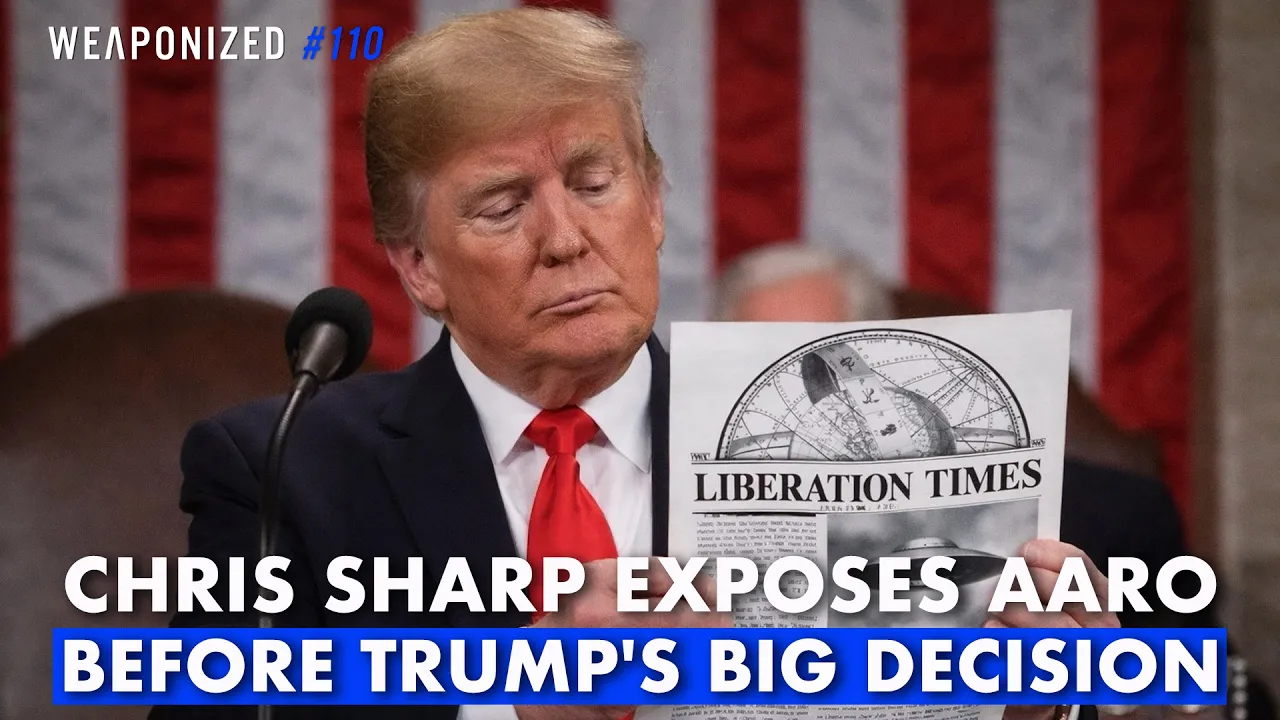
- The core of the discussion is Tim Phillips’s account of Arrow’s handling of UAP data, its internal workflow, and the prospects for public disclosure amid political developments and media scrutiny. - How the interview came together and Phillips’s posture: - Chris Sharp secured the interview by reaching out on LinkedIn; Phillips was cooperative and reflected positively on the engagement, though he sometimes spoke in cautious, measured terms and at times seemed to be reading from a script. - The conversation explored whether Phillips was freer to speak after leaving Arrow and whether his answers signaled more openness or continued restraint. - Arrow’s day-to-day operations and mission as described: - Arrow purportedly triages a large volume of UAP reports, prioritizing cases that show extraordinary or truly bizarre performance, with many other reports deemed prosaic or expendable. - The process involves deconflation (determining if a case involves foreign tech, other contractors, or non-threat sources) and reaching out to potential sources within the defense/intelligence ecosystem to confirm or deny ownership of a given phenomenon. - In Phillips’s account, only a small fraction of cases (roughly 40–50 identified as truly extraordinary) survive the initial screening to be studied in depth by top analysts. - Access to sensors and data is uneven: good access in the air domain, weaker access in the maritime domain; some space- and orbit-related observations were mentioned, with ongoing collaboration with Space Command/Space Force to improve data collection. - There is emphasis on avoiding sensational claims; Phillips suggested that confirming an extraterrestrial origin would require beyond-the-ballpark corroboration (biologics, origin proof, etc.), so language tends to be cautious (non-human/non-earth-origin rather than alien). - Nature of the findings and uncertainties: - Phillips described encounters and videos that, in his view, show capabilities that far exceed known human systems (e.g., rapid accelerations, sharp maneuvers, unusual trajectory profiles). - He drew a distinction between “extraterrestrial” and “non-human,” arguing the evidence could point to non-human, potentially earth-based sources (oceans, deep underground) without labeling them as alien. - He acknowledged the challenge of proving extraterrestrial origin and the limits of what could be confirmed or disproven with available data. - Transparency, evidence, and whistleblowers: - The interlocutors criticized Arrow’s public transparency, noting a lack of high-quality public videos and a perception that information flow resembles a “blue box” where data is absorbed and not released. - Whistleblower cases (e.g., Herrera) were discussed; Phillips said witness statements were collected and signed to ensure accuracy, but there were questions about whether those cases were fully pursued or publicly disclosed. - There was tension over how Arrow labeled and treated cases in its official materials, sometimes appearing to downplay or reframe witnesses’ claims. - People and institutions mentioned: - Kirkpatrick (an earlier Arrow leader) remains a reference point in public rhetoric about UAP. - James Clapper and the ODNI were discussed in terms of past roles and influence; Phillips reportedly spoke with Clapper and expressed respect for him, though memory gaps and possible silences were noted. - Other figures (e.g., Lou, Dylan Borland) were referenced in debates about how language is used publicly to describe phenomena and the risk of semantic “shell games.” - Public policy context and the path to disclosure: - There was emphasis on a presidential directive to declassify and release information; both Trump and Obama figures were discussed regarding statements about aliens and the timing of disclosures. - The hosts and their source argued that genuine disclosure would require the declassification of scientific data and corroborated visual evidence, and that the process would face resistance from “keepers of secrets” who fear national security implications. - The potential timing of disclosures (e.g., around a State of the Union address) and the political dynamics surrounding such moves were highlighted, along with concerns about competing political priorities. - Editorial direction and future steps: - The interview with Phillips is expected to be published in the Daily Mail; the participants anticipate continued coverage and further reactions from officials and whistleblowers. - There is a sense of an historic moment for UAP journalism, with calls for more transparent data-sharing, better access to underwater and space-domain sensors, and clearer public explanations of Arrow’s role and findings. - Overall tone and takeaway: - The exchange blends cautious optimism about potential disclosures with skepticism about Arrow’s transparency and consistency; Phillips’s account is read as a mixture of substantive claims about extraordinary observations and cautious hedging about interpretations (alien vs. non-human, and the limitations of available evidence). - A recurring thread is the belief that a true public reckoning would require unfiltered access to data, independent verification, and sustained political will to declassify, despite entrenched resistance within security and intelligence communities.
Source: youtube.com