
UAPs, National Security, and the Quest for Transparency: Testimonies, Hearings, and Hidden Records
To the point
There's a renewed push to understand unidentified flying objects, driven by lawmakers, former service members, and scientists who claim decades of secrecy and coverups about advanced, possibly foreign or unknown technologies, with reports of silencing whistleblowers, a Pentagon study under scrutiny, and calls for careful, transparent disclosure as hearings approach.

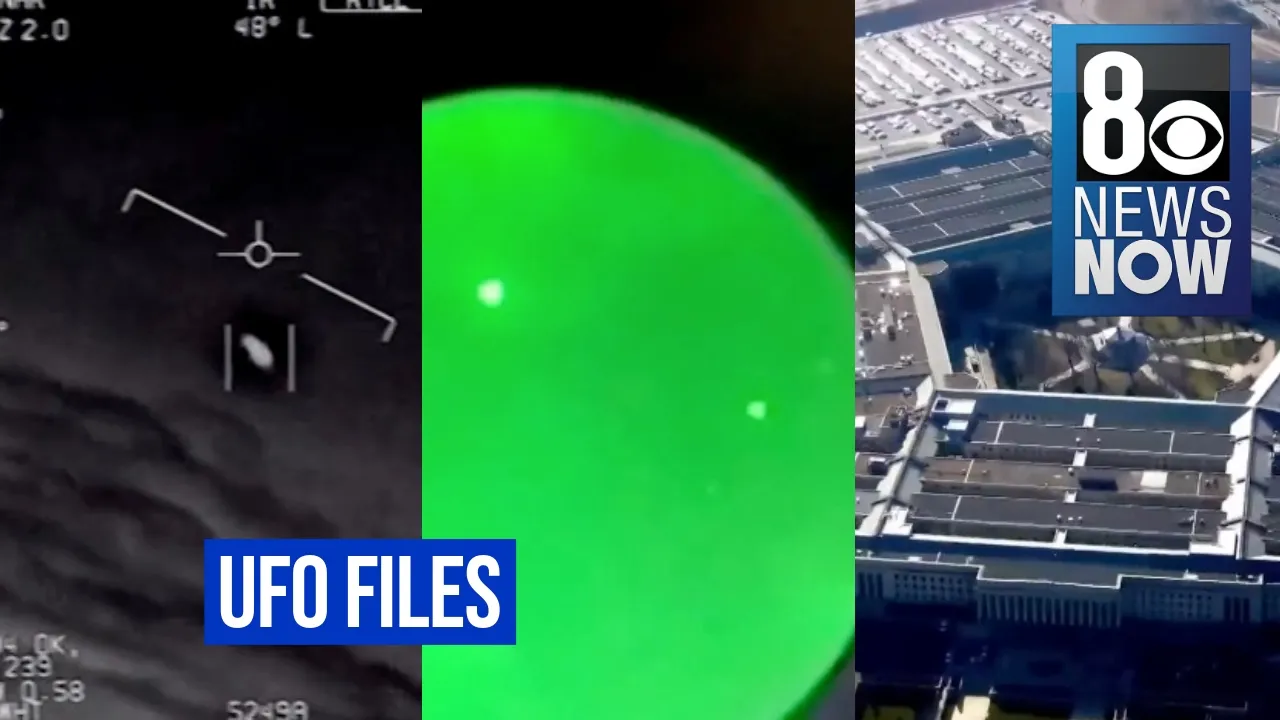
A renewed wave of attention to unidentified aerial phenomena sits at the intersection of testimony, journalism, and national security, with lawmakers, former officers, and scientists pushing to uncover what many insist has long been kept hidden. Across hearings and televised reports, witnesses describe a decades‑long pattern of alleged coverups, intimidation, and intentional withholding of records about advanced craft not made by known governments. They insist the phenomena are real, far more capable than anything publicly acknowledged, and possibly connected to technologies that remain outside official oversight or understanding. Testimonies describe a sustained effort to silence and marginalize whistleblowers, with accounts of reputations and careers being imperiled and, in some cases, threats to personal safety. The witnesses point to a continuing, heavy‑handed effort to deny documents, scrub communications, and spread disinformation intended to undermine credibility. They recount encounters with unknown objects—famously dubbed the gimbal, go fast, and Tic Tac—that appeared to challenge aviation safety, sometimes accompanied by rapid, unexplainable maneuvers. In one instance, a fleet of unknown objects surrounded Navy ships; in another, a small orange sphere reportedly descended toward a flight deck, prompting intensified questions about the origin and purpose of these craft. The overarching claim is that the government has not only observed such events but has also tried to constrain how they are discussed and investigated. These discussions are anchored in a long historical thread. Roswell and the postwar era loom large in popular lore, but the narrative extends to earlier moments, including claims about crash recoveries and materials stored away in secret programs. Nevada’s Area 51 and its rumored hangars, the idea of “crash saucers” and reverse‑engineering facilities, and the persistent suggestion that some encounters relate to national security and nuclear weapons have kept the topic alive for decades. Contemporary voices in the field—scientists and researchers who have long questioned conventional explanations—argue that some encounters could involve not just foreign or terrestrial technologies but possibilities that defy straightforward categorization. They highlight the health and safety dimensions of contact with unknown phenomena and warn that disclosure without a careful, structured approach could trigger broader questions about governance, security, and public trust. A central current runs through recent reporting: a government study of UAPs, long rumored and much debated, has been acknowledged by mainstream outlets. The New York Times reported on a Pentagon investigation that has examined roughly 120 incidents over more than a decade, with some imagery and videos already circulated publicly. The story emphasizes that the inquiry does not categorically identify alien spacecraft, and it notes the possibility that some craft could represent foreign technology rather than extraterrestrial origins. The report also points to what remains unresolved—the fate ofclassified materials, photos, and databases housed in secret programs—and it underscores a shift in tone from earlier dismissiveness to a more open, albeit cautious, posture toward unexplained events. Prominent veterans of the UAP discourse, including former officials and pilots, have weighed in with opinions about what the released materials might imply for national security and technological leadership. The former Senate majority leader who shepherded UAP inquiries in the past has repeatedly stressed that the goal is national security and that unidentified does not automatically mean otherworldly. He has suggested that Russians and Chinese are studying the same questions for similar reasons, framing the matter as a global, strategic concern rather than a strictly American mystery. He also cautioned that he did not claim the government possesses debris from other worlds and has urged a careful, factual examination of what is known and what remains unknown. Among the voices pushing for transparency is a longstanding researcher who has balanced critique of UFO orthodoxy with participation in secret programs himself. He argues that openness is desirable but not trivial: acknowledging a phenomenon would unleash a cascade of follow‑up questions about jurisdiction, health, safety, and the potential need for new governance structures. He advocates for a well‑planned approach to disclosure rather than an abrupt statement, given the complexity and potential consequences of admitting that unknown technologies exist. The mosaic of evidence points to a substantial, enduring interest in understanding the origins and implications of these encounters, with debates ranging from the purely scientific to the deeply political. The Defense and intelligence communities reportedly funded a Las Vegas–based program to study these issues for several years, but its vast body of work remains largely unavailable to the public even years after funding ended. As hearings approach and new witnesses are invited to testify, the question remains: what is known, what is hidden, and what would open the door to a broader understanding of our place in a larger, possibly shared, reality?
Source: youtube.com