TRAPPIST-1 e in the Habitable Zone: JWST Signals Hint at an Atmosphere—or a Bare Rock
To the point
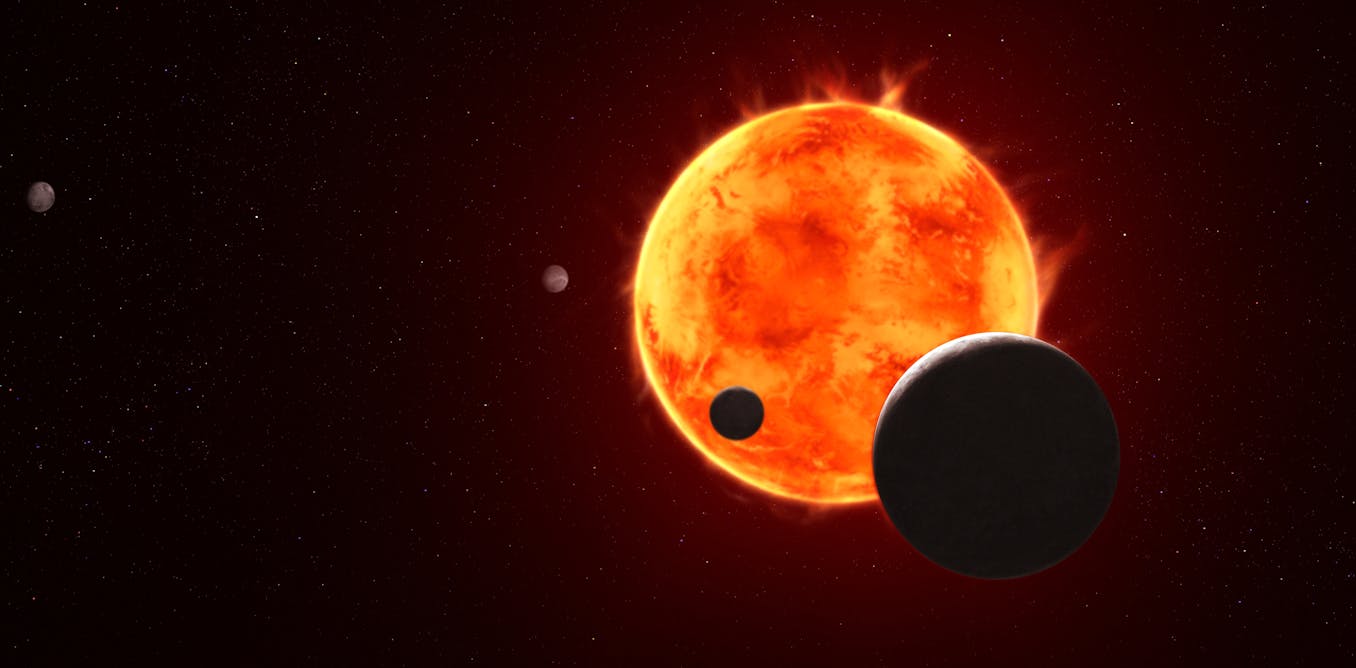
Researchers Hannah Wakeford and Ryan MacDonald used NASA’s James Webb Space Telescope to study Trappist‑1 e, a rocky planet 41 light‑years away in its star’s habitable zone, and found a spectrum that could mean either a subtle atmosphere rich in gases like nitrogen and methane or no atmosphere at all, with 15 more transits planned through 2025 to separate the star’s activity from the planet’s signal and to determine the atmosphere’s composition if present.