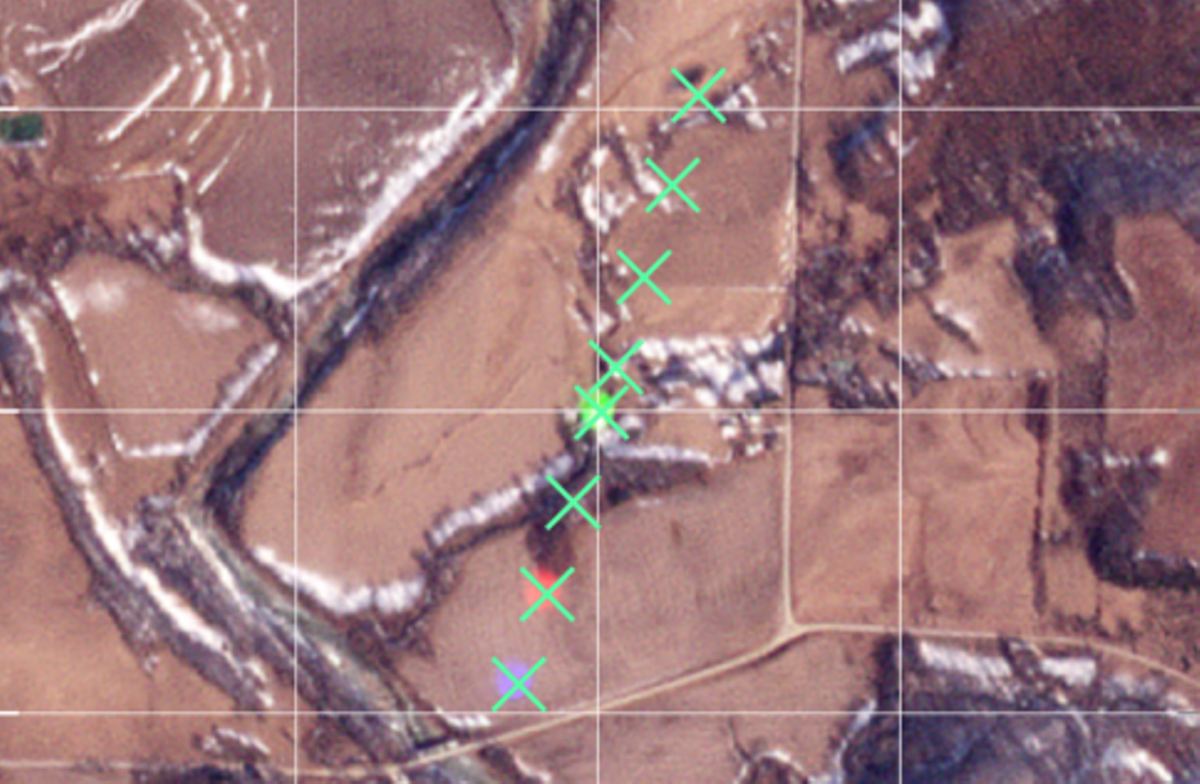
Parallax-Based Tracking of Moving Aerial Objects Using Commercial Satellite Imagery: Insights from the Galileo Project
To the point
Planet’s SuperDove satellites can spot moving aerial objects, including UAPs, by using parallax from time-staggered spectral bands to estimate speeds and altitudes (about 21,200–21,500 m) from balloons such as the Chinese spy balloon and one over Colombia, with some backgrounds like snow less useful than others, RAIC Labs tracing the balloon’s route, Avi Loeb and the Galileo Project highlighting motion as a possible sign of extraterrestrial origin, and Eric Keto and Wesley Andres Watters arguing this motion-based method could become a standard tracking tool.
Miao Lab 60X smartphone zoom lens

The Extraterrestrial Species Almanac: The Ultimate Guide to Greys, Reptilians, Hybrids, and Nordics (MUFON)
Craig Campobasso
In Plain Sight: An investigation into UFOs and impossible science
Ross Coulthart

The invisible college
Jacques Vallee
Our recommendations from Amazon