
RealityCheck: Dr. Phil McGraw on UAPs, Disclosure, and the Cautious Path to Public Readiness
To the point
RealityCheck host Ross Kulart and Dr. Phil McGraw say disclosure of UFOs and UAPs should be gradual and clearly explained to the public, taking into account past secrecy, credible eyewitnesses, and the possibility of non-hostile non-human intelligence that could change religion, culture, and security, while Trump pushes for transparency and safeguards are needed for mental health and public processing.
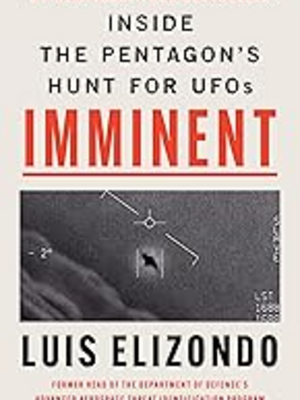



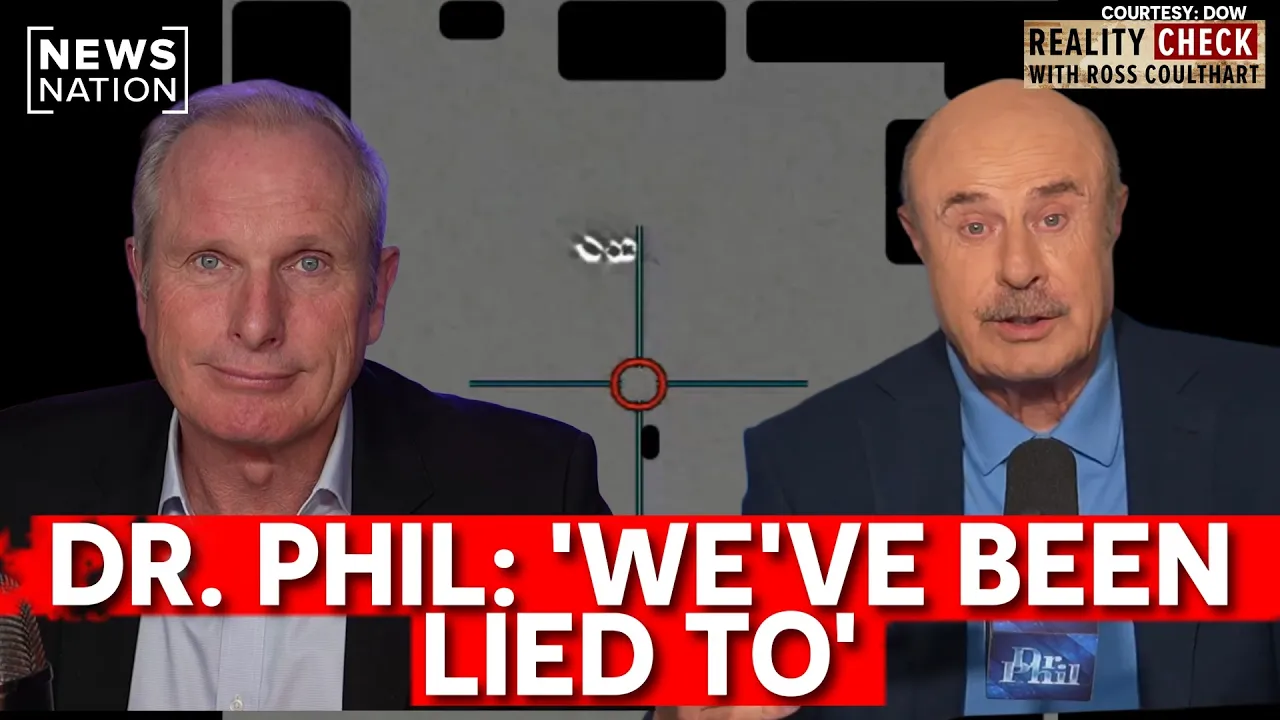
RealityCheck host Ross Kulart conducts a candid conversation with Dr. Phil McGraw about UFOs, UAPs, and the latest tranche of files. Dr. Phil explains he's not an astrophysicist but is evaluating disclosure, public reaction, and how to present findings responsibly to a broad audience, noting his ongoing engagement since an interview with Bryce Zable last year. He warns that releasing information could reshape beliefs and demographics, and he emphasizes the need to manage the public's response. There is a history of cover-up, he says, citing earlier moments like the 1947 Twining assessment, the 1949 Los Alamos conference, and the 1953 Robertson panel, plus the 146/146E restrictions on pilots. The discussion notes credible witnesses—military and commercial pilots with instrumented observations—whose accounts were long suppressed, and argues that contextualized releases are essential. He asserts that President Trump is pursuing transparency in a careful, stepwise way to let people process potential non-human intelligence and its implications for religion, culture, and security. He cautions that redactions and selective disclosures persist, and that the power dynamics within the government may still resist full truth. The possibility is raised that non-human intelligence has been present but not hostile, and the potential for revolutionary technology—if reverse engineered—could disrupt energy and defense sectors—and thus is a motive for concealment. He believes the public is ready for disclosure with proper context and mental-health safeguards, and notes that roughly 40% of phenomena remain unexplained.
Source: youtube.com