UAP: From Safety and Security Concerns to Legislative and Scientific Engagement

To the point

UAP are a real safety and national security issue, and there is a growing science‑driven push across government, NASA, academia, and private groups like Americans for Safe Aerospace (founded by Ryan Graves) and Harvard’s Galileo Project to study them and share data.

U.S. government studies, hearings highlight increasing awareness of UAP as an aerospace safety concern
aiaa.org

U.S. government studies, hearings highlight increasing awareness of UAP as an aerospace safety concern

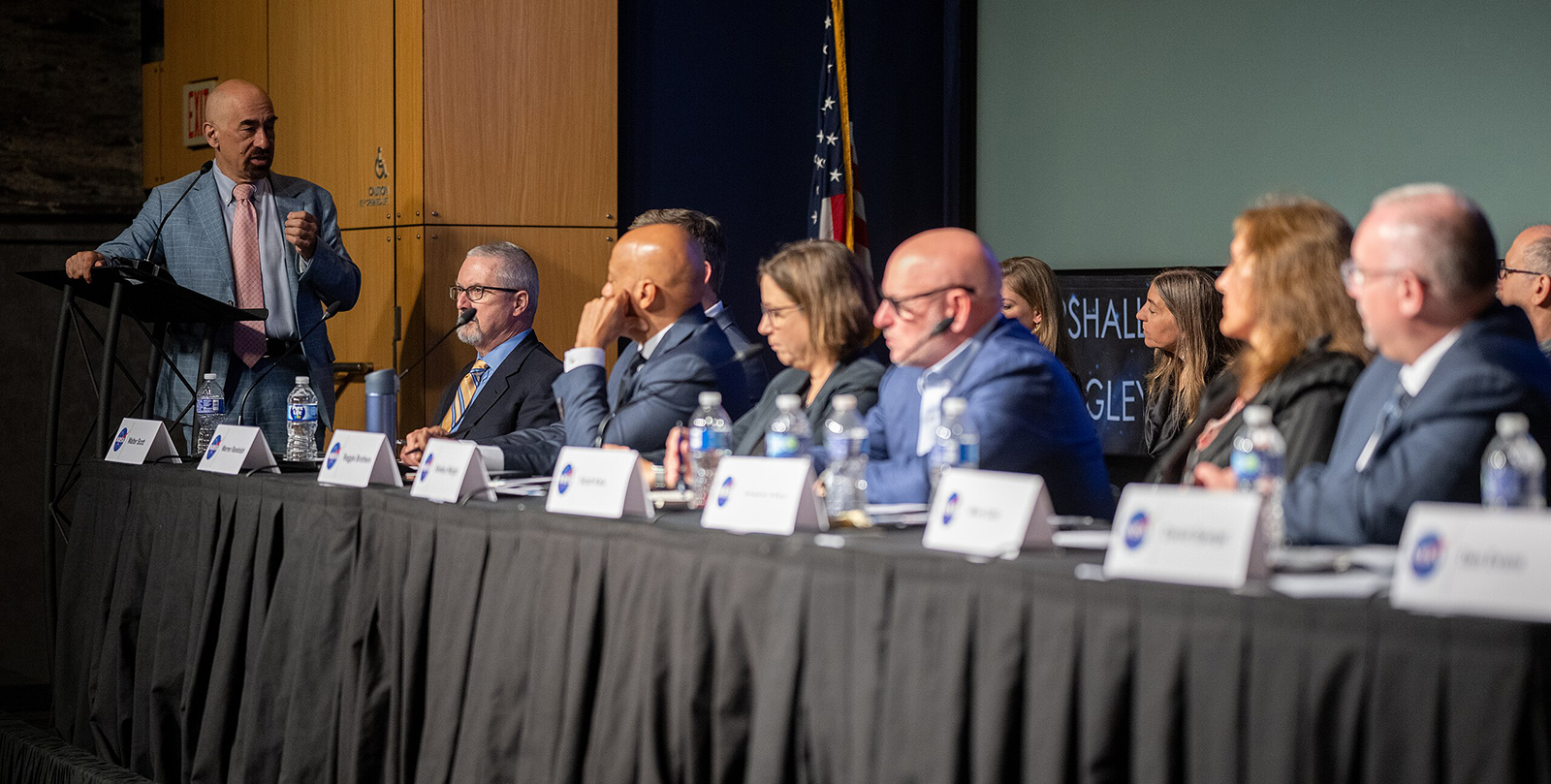
UAP are increasingly treated as a legitimate safety and national-security concern across government, academia, and industry, with ODNI reporting incidents rising from 144 to 510; the 2023 NDAA strengthens standardized collection, reporting, and analysis and supports scientific testing, and the 2024 Senate NDAA adds the UAP Disclosure Act requiring public release of records after review; House hearings featuring Ryan Graves highlighted reporting stigma and limited follow-up and fueled calls for oversight and a bipartisan UAP Caucus; NASA's UAP Independent Study Team urged a science-driven, whole-of-government role; private initiatives such as Americans for Safe Aerospace (founded by Graves), Harvard's Galileo Project, and Enigma Labs, along with AIAA's first UAP technical panel at the Aviation Forum, signal broader institutional engagement, collectively reflecting a shift toward an evidence-based, safety- and security-focused research trajectory despite substantial uncertainties.