
SETI Institute: Listening for Extraterrestrial Intelligence—History, Methods, and Milestones
To the point
Founded in 1984 by Tom Pierson and Jill Tarter after NASA stopped funding, the SETI Institute searches for intelligent life beyond Earth by listening with radio and optical methods rather than sending signals, using facilities like the Allen Telescope Array and LaserSETI, tracing ideas from Morrison and Cocconi in 1959 and Frank Drake’s Ozma project to the Phoenix searches and observations of Tabby’s Star and TRAPPIST-1, evaluating how powerful a distant transmitter would need to be to be detected and considering other channels, while committing to verify, publicly disclose, and seek international input before replying if a real signal is found under 2010 protocols.

Imminent: Inside the Pentagon’s Hunt for UFOs
Luis Elizondo

Chariots of the Gods: 50th Anniversary Edition
Erich Von Daniken

The Extraterrestrial Species Almanac: The Ultimate Guide to Greys, Reptilians, Hybrids, and Nordics (MUFON)
Craig Campobasso
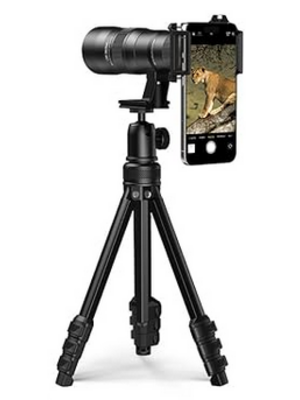
Miao Lab 60X smartphone zoom lens
Our recommendations from Amazon
