
Sol Forum Debate on UAP Transparency: Declassification, Data Quality, and Policy Pathways
To the point
Leaders and scientists argue that unidentified anomalous phenomena require faster, more rigorous declassification, better data quality and transparency, and new governance, with Congresswoman Luna pushing a dedicated UAP committee and Disclosure Act with whistleblower protections, Avi Loeb calling for usable data, improved sensors and satellite access, and a possible scientific advisory collaboration, all while acknowledging the national security and humanity implications regardless of whether any object is extraterrestrial.

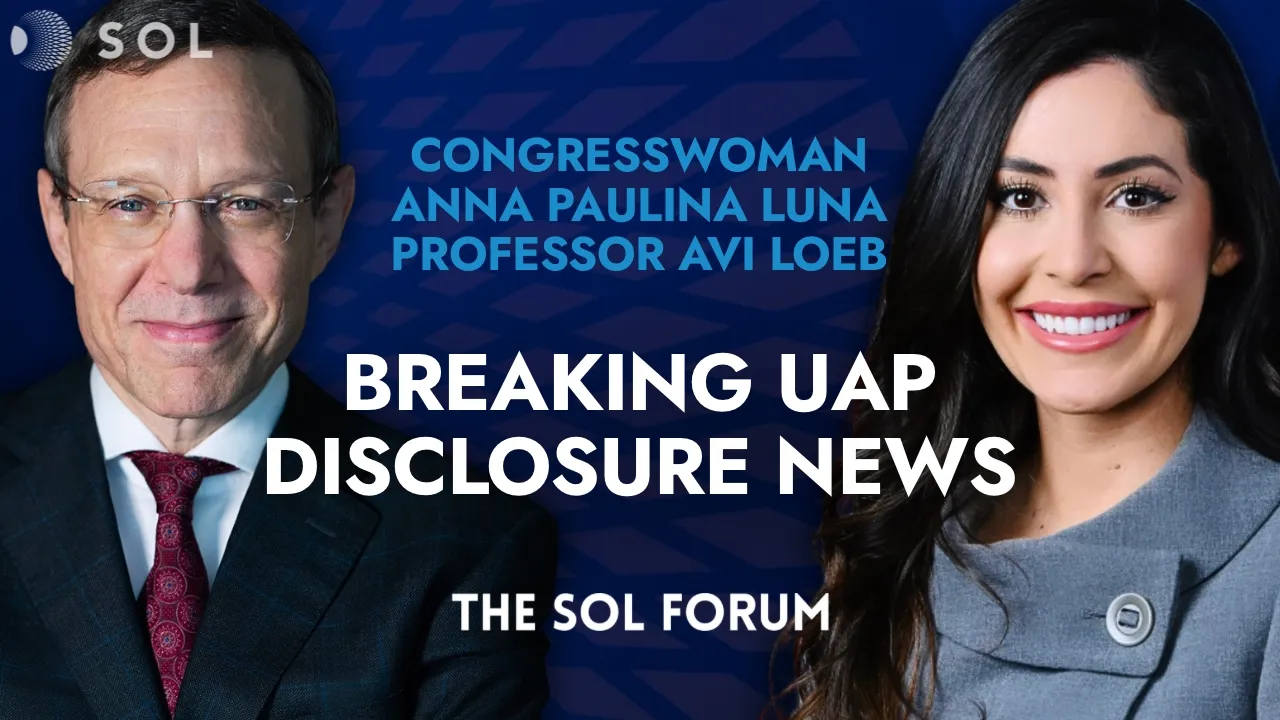
The Sol Forum hosts a candid discussion on unidentified anomalous phenomena, focusing on recent declassification efforts, data quality, and the path toward transparency. Congresswoman Luna praises congressional leadership in pushing through releases and coordinating with the executive branch, notes opposition that sought to block disclosure, and outlines a timeline for the much-anticipated 46 videos, with a 30-day window for release. She advocates for a dedicated UAP committee and the UAP Disclosure Act to institutionalize a rigorous declassification process, while stressing the need for whistleblower protections and immunity to overcome stigma. She also addresses the MKUltra records issue, clarifies that she did not claim a CIA raid on her office, and says she is pursuing preservation orders and a full accounting of where documents stood. Avi Loeb emphasizes that the data must be scientifically usable, arguing that the first batch was not convincing but a necessary first step, and that better data, sensors, and camera metadata are essential for rigorous analysis. He remains agnostic about whether any object is extraterrestrial but says that either outcome—a human-made or non-human origin—has profound implications for national security and humanity, and he laments data suppression and institutional resistance. He praises John Ratcliffe's earlier involvement and urges access to satellite data and fresh observations, while suggesting the possibility of forming a scientific advisory collaboration with the Pentagon and intelligence community. Luna pushes back against redundancy in AARO by arguing that resources should be redirected if AARO has suffered credibility damage, while still recognizing ongoing collaboration with the agency and the Pentagon. The exchange closes with a shared sense that continued declassification, better data, and protective measures for whistleblowers could reshape public understanding and global cooperation, even as uncertainties about the origins and nature of UAP persist.
Source: youtube.com