
Disclosure of AI Involvement Shifts Authenticity Toward Human Mental Health Support: A Longitudinal Study
To the point
Gagan Jain, Samridhi Pareek, and Per Carlbring conducted a long-term study with 140 young adults showing that when the source of mental health help is not disclosed, people rate human responses as more authentic than AI ones while professionalism and practicality show little difference, and six months later after disclosure authenticity again favors humans with a moderate to large effect size while differences in professionalism and practicality are smaller, with trust in AI remaining tied to practicality, and the researchers say empathy and context give humans the edge and AI can be a helpful supplement, though limitations include sample size and representativeness, potential bias from disclosure, and privacy concerns.

Imminent: Inside the Pentagon’s Hunt for UFOs
Luis Elizondo

In Plain Sight: An investigation into UFOs and impossible science
Ross Coulthart
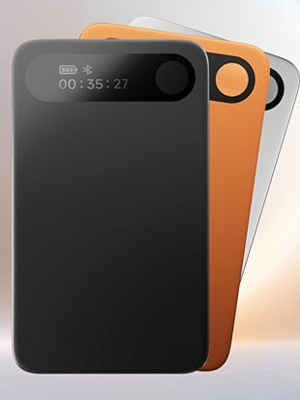
Comulytic Note Pro AI Voice Recorder, Unlimited Transcribe & Summarize

Passport to Magonia: From Folklore to Flying Saucers
Jacques Vallee
Our recommendations from Amazon
