wikipedia.org
Active SETI - Wikipedia
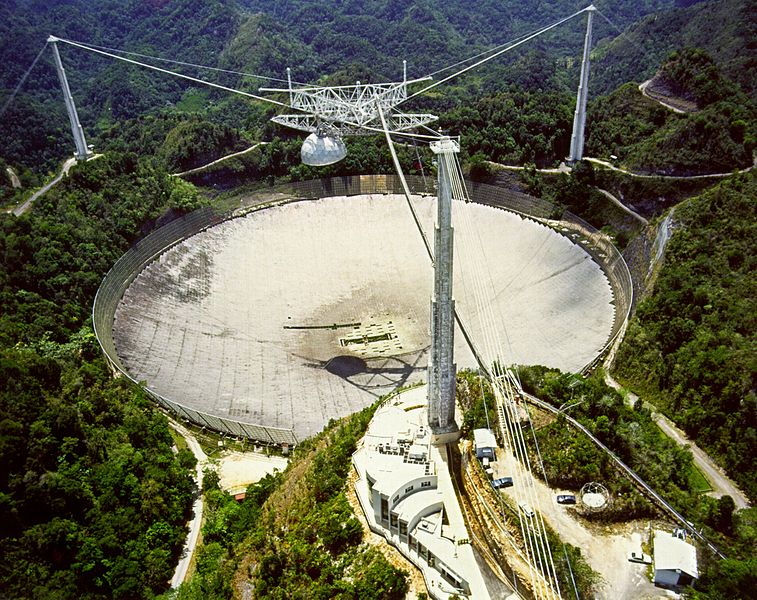
Active SETI, or METI, pursues deliberate interstellar transmissions to intelligent life—from the 1974 Arecibo message and projects like Cosmic Call and Wow! Reply to the 2006 term coined by Alexander Zaitsev—distinguishing it from listening-focused SETI—as debates unfold between supporters such as Seth Shostak, Jill Tarter, and Douglas Vakoch who call for careful, inclusive discussion and critics like Stephen Hawking and David Brin who warn of risks, amid the Breakthrough Message competition launched in 2015 to design a universal message, ongoing design challenges around error tolerance, decoding, openness, ideograms, redundancy, and even prime-number encodings, the practicality of beaming with multiple narrow beams or directed infrared lasers to nearby stars, potentially reaching tens of thousands of light-years, and the use of risk assessment tools like the San Marino Scale to guide policy and outreach research.