
Kevin Knuth Reveals 5000G Uap Accelerations


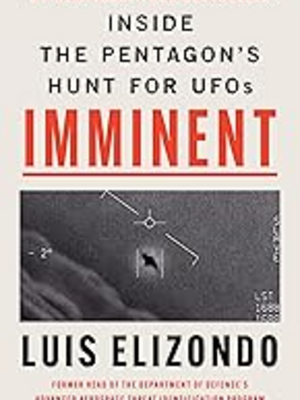

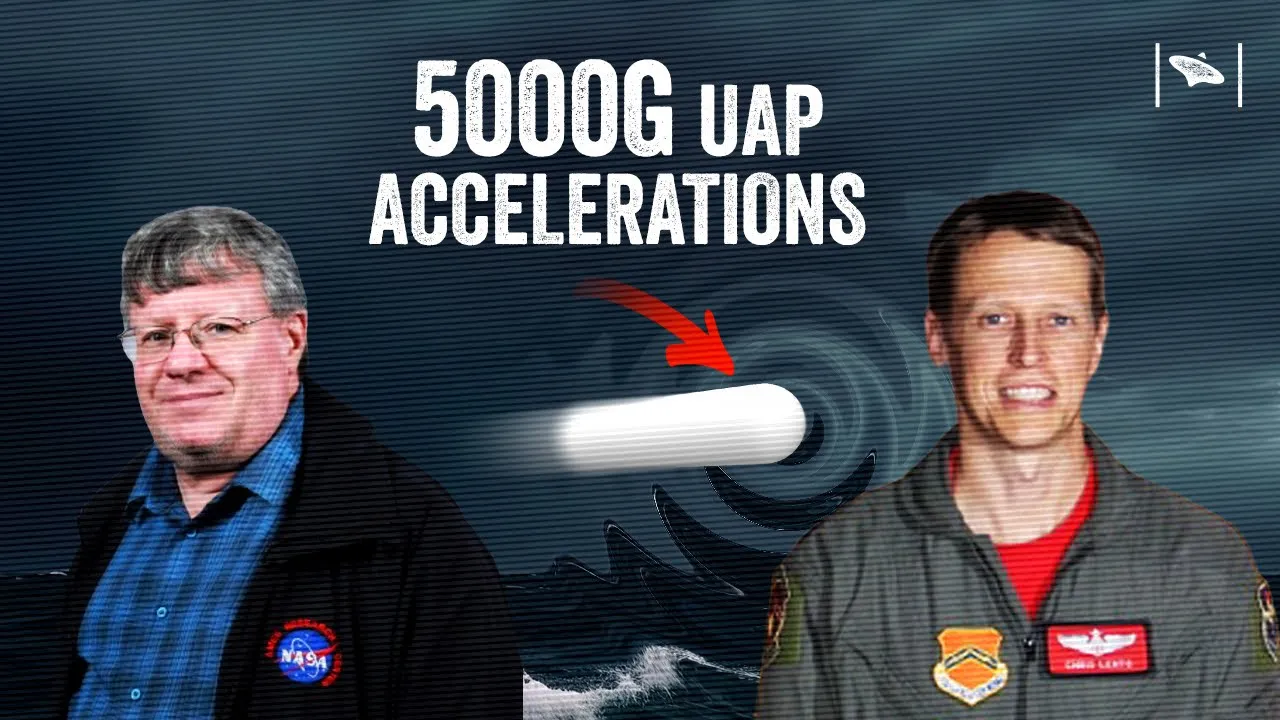
Dr. Kevin Kuth, a physics professor with expertise in machine learning, neuroscience, astrophysics, and information physics, became deeply involved in UAP (Unidentified Aerial Phenomena) research over several decades. His initial exposure came during graduate school in Montana in 1988, coinciding with a cattle mutilation event linked to UFO sightings and rumors of UFOs interfering with nuclear missiles at Malmstrom Air Force Base—a claim that surprised him at the time but lingered in discussions. Years later, prompted by students’ curiosity and discoveries like the 2017 New York Times article revealing the Advanced Aerospace Threat Identification Program (AATIP), he began seriously investigating UAPs. Dr. Kuth emphasizes the scientific rigor needed to analyze UAP reports, particularly the 2004 Navy Nimitz encounters, where radar and visual data allowed calculations showing these objects performing maneuvers with accelerations up to 5,000 g and speeds around 40,000 mph—velocities comparable to spacecraft such as the New Horizons probe. These findings challenge conventional physics, as such accelerations would destroy normal aircraft and equipment. Moreover, these UAPs show no sonic booms despite supersonic speeds, and the energy required for their abrupt stops (e.g., descending from high altitude to sea level in seconds without detectable explosions) defies known physical explanations. Similarly perplexing are underwater phenomena, like the tracking of large cylindrical objects moving rapidly and disabling naval vessel power without creating expected water disturbances. This paradox suggests these objects interact with environments in unprecedented ways, possibly involving inertial mass reduction or spacetime manipulation, though these remain speculative without practical engineering frameworks. The global scientific community is beginning to engage more earnestly with UAP research, as evidenced by Dr. Kuth’s 2025 scientific paper co-authored by over thirty international scientists exploring both aerial and underwater phenomena. Their collaborative work illustrates that UAPs are a worldwide phenomenon, not confined to American culture. Dr. Kuth leads Project X at the University at Albany, a university-supported initiative—distinct from other projects like the Galileo Project—focusing on field data collection using sites with active surveillance cameras near historic UFO hotspots. Regarding the more enigmatic psychological and neurological aspects of UAP encounters, Dr. Kuth acknowledges the presence of unusual “woo” phenomena and paranormal reports often dismissed even within the UFO community. He advocates applying information theory principles to analyze recurring unexpected elements in witness testimonies, such as the surprising frequency of abduction narratives involving non-human babies, as reported by John Mack. He hypothesizes that these phenomena might reflect undiscovered aspects of physics that appear supernatural because humanity has yet to understand them. From a neuroscience perspective, he notes evidence of high electric fields oscillating at frequencies interacting with human brain waves, potentially altering perception, though this area remains under-researched for ethical and experimental reasons. Dr. Kuth’s long-term study of UAPs has profoundly shifted his worldview, moving from skepticism to open-minded acknowledgment of unexplained realities and their potential implications for physics, consciousness, and even spirituality. He recognizes that dismissing such phenomena outright is both scientifically and intellectually limiting. Additionally, he connects his interest in neuroscientific phenomena to personal experiences with autism through family ties, finding inspiration in cases demonstrating extraordinary cognitive abilities and possible telepathic connections, though noting that these claims require rigorous study. He stresses the urgent need for more scientific engagement, funding, and public awareness to safely investigate UAPs, given potential risks such as unreported close encounters with commercial pilots and the longstanding security breaches indicated by decades-old reports of missile shutdowns. Donations to Project X support ongoing data collection and analysis efforts, with research outputs made publicly available to encourage broader understanding. Overall, Dr. Kuth urges scientists to overcome biases and preconceptions to explore this complex, interdisciplinary field that holds promise for groundbreaking discoveries beyond existing paradigms.
Source: youtube.com