
The Problem With The ‘Magical Children’ Of Telepathy Tapes Explained By Harvard Doctor
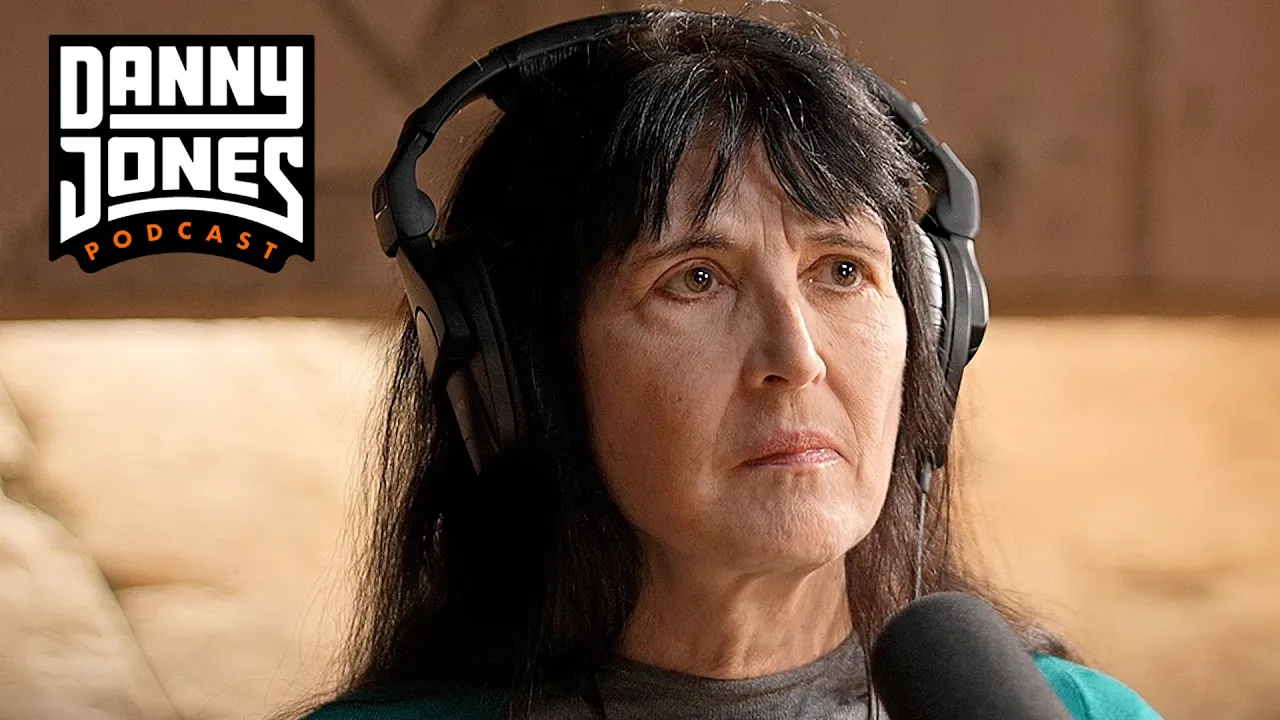
The exploration into ESP, telepathy, and consciousness began through a clinical encounter with a psychic patient at Harvard, sparking a curiosity in phenomena traditionally dismissed by psychiatry as psychosis. This led to a deeper investigation into parapsychology, remote viewing, and the limitations of the materialist model of neuroscience. The understanding that reality, as informed by quantum physics, is more complex than perceived through our sensory constructs supported openness to these unconventional areas of inquiry. Neuroscience and psychiatry training revealed the intricate role of brain structures like the hippocampus—not only central to memory and spatial navigation but also potentially involved in psychic phenomena, as suggested by studies showing elevated theta frequency activity during such states. Cases of exceptional memory, such as those with hyperthymesia, and savant syndrome, especially among autistic individuals, provide insight into unique cognitive abilities. Autistic savants display remarkable skills—like rapid prime number calculation and telepathic communication—often reporting perceptions akin to accessing information beyond ordinary sensory means. This suggests consciousness might involve accessing a broader informational field, with the brain functioning as both processor and antenna. Research challenges include skepticism about replicability and scientific validation of psychic phenomena. Yet, experimental work with autistic savants demonstrates statistically significant accuracy in tasks involving telepathy and precognition, supported by rigorous documentation and requests for more controlled studies, such as those eliminating visual or auditory cues. The influence of belief systems and cultural backgrounds also shapes how psychic and near-death experiences manifest and are interpreted, revealing archetypal patterns and symbolic representations common across religions and cultures. The brain’s function as a filter limits perception to certain sensory inputs, while states induced by hypnosis or psychedelics like DMT can alter this gating, enhancing access to unconscious or non-local information. Astocytes, microtubules, and biophotons are emerging as critical components in the biological substrates of consciousness, potentially mediating quantum processes that conventional neuron-centric models overlook. Treatments leveraging low-level ultrasound and infrared light therapy show promise for neurodegenerative conditions by modulating brain function non-chemically. Modern technology and societal trends are influencing cognitive development and sensory engagement, potentially diminishing intuitive and right-hemisphere abilities favored in creative and psychic functions. Educational systems emphasize left-hemisphere skills, while homeschooling and alternative learning approaches rise in response to rigid, test-focused schooling. The dichotomy between reliance on technology and a resurgence of interest in natural, intuitive capacities suggests divergent evolutionary paths for human cognition. Ancient cultures and technologies, such as astronomical devices, imply lost or misunderstood knowledge that may have included enhanced cognitive or perceptual abilities. The complexity of consciousness, memory, and perception challenges the purely materialistic paradigm and invites interdisciplinary, systems-level research to uncover the mechanisms behind extraordinary human abilities and experiences. Future investigations aim to deepen understanding of endogenous compounds like DMT in autistic and schizophrenic individuals, refine experimental designs involving telepathy and precognition, and explore the survival of consciousness beyond physical death through mediumship and psychical research. Emphasis is placed on validating subjective experiences without dismissing them due to current scientific limitations, recognizing the need to update paradigms in light of accumulating anomalous evidence.
Source: youtube.com